
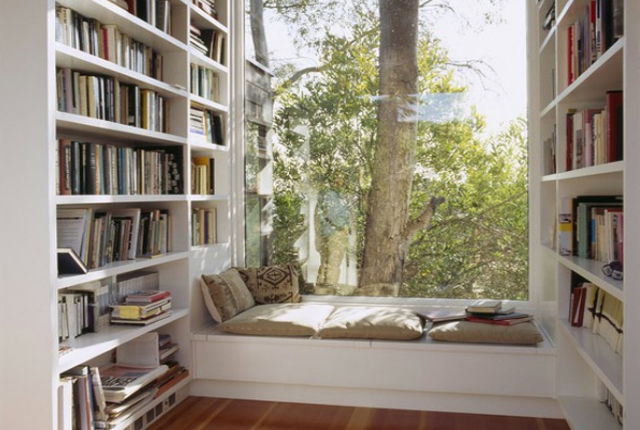
A home can look polished and still feel unfinished if it has no quiet place to land. That missing spot is usually small, personal, and easy to overlook until you realize every chair in the house serves someone else’s routine. Smart reading corner ideas fix that by giving one part of your home a slower purpose. Not a formal library. Not a showpiece. A place where your shoulders drop before the first page turns.
For many American homes, space is not the real problem. The problem is that every corner gets assigned to storage, screens, or leftover furniture. A good reading space pushes back against that. It makes room for rest without asking for a remodel. Even a tight apartment, a sunny bedroom corner, or an unused landing can become a home reading nook when the choices feel intentional. Sites that cover thoughtful living and digital lifestyle trends, such as modern home inspiration, often point toward the same truth: comfort works best when it fits real life, not magazine perfection.
Reading Corner Ideas That Start With the Right Spot
The best place to read is rarely the most obvious one. People often drag a chair into the largest empty area and wonder why the space never gets used. A cozy book corner starts with behavior, not square footage. You need to ask where your home already slows down, where light feels kind, and where noise does not constantly demand your attention.
How Do You Choose a Quiet Reading Spot at Home?
A strong reading spot usually sits slightly outside the main traffic path. That may mean a bedroom corner near a window, the end of a hallway, the side of a fireplace, or a space beside built-in shelves. The point is simple: you should not feel like you are sitting in the middle of everyone else’s movement.
Many homes have one awkward area that never earns its keep. A bay window gets a plant and nothing more. A stair landing becomes a drop zone. A wide bedroom corner holds a basket no one opens. That kind of neglected space often makes the best comfortable reading space because it already has boundaries. You are not forcing a new room into existence. You are giving a forgotten area a job.
Light matters more than people admit. A corner with soft daylight can pull you toward it without effort, while a dark spot needs extra care to avoid feeling like a punishment. If natural light is limited, place the seat near a wall outlet and plan for a lamp from the start. Reading should not feel like a negotiation with shadows.
Why Small Reading Areas Often Feel Better Than Large Ones
A small reading area can feel calmer than a big open zone because it gives your brain a clear signal. This is where you sit. This is where the pace changes. Large spaces often create pressure to decorate more, add more, and explain every empty inch. Small spaces let comfort speak without shouting.
American homes often treat open layouts as the dream, but rest usually needs some enclosure. You do not need walls. A tall plant, a bookshelf, a curtain, a floor lamp, or even the back of a chair can create enough separation to make the corner feel private. That tiny boundary changes how the body reacts.
The counterintuitive part is this: too much room can weaken the mood. A chair floating in a wide living room may look fine, but it rarely feels protected. A home reading nook tucked beside a window or shelf feels more inviting because it wraps around the reader a little. Good comfort has edges.
Furniture Choices That Make Reading Feel Natural
Once the spot feels right, furniture decides whether the corner becomes part of daily life or stays as decoration. A beautiful chair that makes your back ache will lose every time. The goal is not to impress guests for ten seconds. The goal is to make you stay for twenty minutes longer than planned.
What Chair Works Best for a Home Reading Nook?
A reading chair should support more than one posture. You may start upright with coffee, lean sideways after a few pages, tuck one leg under you, or rest your head when the room gets quiet. A stiff accent chair may photograph well, but it often fails real use. Comfort needs permission to shift.
For many homes, a deep armchair works better than a sleek occasional chair. If space is tight, a compact upholstered chair with a rounded back can still do the job. Add a small ottoman if your legs need support. That one addition can turn a decent seat into a comfortable reading space because the body stops searching for relief.
The fabric also changes the mood. Leather feels classic and ages well, but it can feel cold in winter unless you add a throw. Bouclé, cotton blends, linen, and soft performance fabrics feel warmer and more relaxed. Families with kids or pets should choose fabric they can clean without fear. A chair that makes you nervous is not a chair you will use.
How Can Side Tables Improve a Cozy Book Corner?
A side table may seem minor until you sit down with a book, a phone, glasses, tea, and nowhere to place any of it. Then the whole corner fails. The best cozy book corner has a surface within easy reach, not across the room and not behind the chair.
Small round tables work well because they soften tight spaces and reduce bumped knees. A narrow C-table can slide near a chair in apartments or townhomes where every inch counts. If your reading corner sits near a window, a slim ledge or floating shelf can replace a table without crowding the floor.
Storage tables can help, but only when they stay disciplined. A table with one drawer for bookmarks, hand cream, and chargers makes sense. A table that becomes a junk drawer with legs does not. The reading area should feel lighter than the rest of the house, not like another place where clutter goes to retire.
Lighting and Texture That Build Real Comfort
A reading corner begins with furniture, but it becomes memorable through atmosphere. Lighting, texture, and touch create the difference between a chair in a corner and a place that calls you back. This is where people often overdecorate. Comfort does not need a pile of things. It needs the right few things doing honest work.
What Lighting Is Best for a Comfortable Reading Space?
Good reading light should come from more than the ceiling. Overhead light can flatten a room and cast shadows across the page, especially when the seat faces the wrong direction. A floor lamp or table lamp placed slightly behind the shoulder usually works better because it lands light where your eyes need it.
Warm bulbs help the space feel calm, but they still need enough brightness for reading. Many people choose lamps for glow and forget the actual task. That creates a pretty corner where nobody reads. A dimmable lamp solves the tension. Bright enough for a book. Soft enough for evening.
Placement matters too. A lamp that shines directly into your eyes will make the corner irritating no matter how stylish it looks. Shade height, bulb strength, and chair angle all matter. Test the setup while holding a real book or tablet. Your body will tell you the truth faster than any design rule.
How Do Textiles Make a Small Reading Area Feel Warmer?
Texture gives a small reading area emotional weight. A throw blanket over the chair, a soft rug underfoot, and one supportive pillow can turn a bare seat into a place that feels chosen. The trick is restraint. Too many pillows turn reading into furniture management.
A rug works especially well when the corner sits inside a larger room. It marks the zone without needing walls. In a living room, a small rug under the chair and table says, “This area has its own mood.” In a bedroom, it can soften morning light and make the corner feel less like leftover space.
Choose textiles that match how you live. A white wool throw may look beautiful, but it may not survive a house with toddlers, dogs, or snack readers. Washable cotton, indoor-outdoor rugs, and performance fabrics often make more sense. Real comfort includes not worrying every time someone sits down.
Personal Details That Keep the Corner From Feeling Staged
The final layer is personality, and this is where many rooms either come alive or become too perfect to touch. A reading corner should not feel like a furniture store display. It should carry evidence of the person who uses it: the books they reach for, the mug they favor, the blanket they steal from another room, the light they prefer at night.
What Decor Belongs in a Cozy Book Corner?
The right decor supports the habit instead of distracting from it. A small stack of current books, a framed print, a candle, a plant, or a ceramic dish for bookmarks can be enough. You are not building a shrine to reading. You are making reading easier to begin.
Plants work well because they bring softness without adding visual noise. A snake plant, pothos, or small olive tree can fill vertical space beside a chair. Art can do the same if the corner needs height. One piece with a calm color story often beats a crowded gallery wall in this kind of setting.
Bookshelves deserve care. A packed shelf can feel rich and lived-in, but chaos near the chair may make the area feel busy. Keep the nearest books intentional: current reads, favorite novels, design books, or a few magazines. Let the rest live elsewhere. A home reading nook should invite focus, not remind you of every book you have not finished.
How Do You Keep a Reading Corner Useful Every Day?
A reading corner stays useful when it fits daily routines. If you read in the morning, place it where light arrives early. If you read at night, keep a blanket and lamp switch close. If you use an e-reader, add a charging cable that does not snake across the floor. Small frictions decide whether the habit survives.
Families can make the space flexible without losing its calm. A basket for children’s books beside an adult chair can turn the area into a shared pause point. A larger ottoman can double as extra seating. A wall-mounted shelf can hold books without stealing floor space. The best corners adapt quietly.
Avoid turning the area into a dumping ground. Once a reading chair becomes the place for laundry, bags, and unopened packages, the spell breaks. Make a rule that the corner stays ready. Not perfect. Ready. That single standard keeps the space alive.
Conclusion
A good reading corner is not about copying a style. It is about giving your home one place where rest has priority over noise, storage, and performance. That matters more than most people think. Homes shape behavior, and a chair placed with care can change how often you pause, read, think, or breathe before the next demand arrives.
The strongest reading corner ideas are usually simple: choose a spot with natural calm, add a chair your body trusts, light it properly, and bring in textures that make the space feel human. Then protect it from clutter. That last part may be the hardest, but it is also the most valuable.
Start with one unused corner this week. Clear it, sit there for five minutes, and notice what the space asks for before buying anything. Build slowly, choose honestly, and let the corner become a quiet promise your home keeps.
Frequently Asked Questions
How do I create a cozy reading corner in a small apartment?
Start with one unused wall, window corner, or bedroom edge. Add a compact chair, a slim side table, and a warm lamp. Use a small rug to define the area. Keep decor minimal so the space feels calm instead of crowded.
What should every home reading nook include?
A good setup needs comfortable seating, focused lighting, a reachable surface, and one soft layer such as a throw or pillow. Storage helps if books pile up quickly. The space should feel easy to use without moving things around first.
Where is the best place to put a reading corner?
Choose a low-traffic area with decent light and some natural separation from noise. Bedroom corners, bay windows, stair landings, and living room edges often work well. The best spot feels slightly tucked away without feeling isolated.
How can I make a reading corner cozy on a budget?
Use furniture you already own first. Add comfort through affordable changes like a thrifted lamp, washable throw, small rug, or secondhand side table. Rearranging often makes the biggest difference before any money gets spent.
What lighting is best for reading at night?
A warm floor lamp or table lamp placed near shoulder height works well. Choose a bulb bright enough for reading without harsh glare. A dimmable lamp gives more control, especially if the corner also serves as an evening relaxation spot.
How do I decorate a cozy book corner without clutter?
Pick fewer pieces with clear purpose. Use one plant, one artwork, one small book stack, and a simple table accessory. Leave open space around the chair. A calm reading area should feel personal, not packed.
Can a reading corner work in a living room?
A living room can support a reading corner if the seating sits slightly apart from the main conversation zone. Use a rug, lamp, or bookshelf to define it. The key is creating a visual pause inside the larger room.
What colors make a comfortable reading space feel relaxing?
Soft neutrals, warm whites, muted greens, gentle browns, dusty blues, and earthy tones work well. Strong colors can still succeed when used with restraint. Choose shades that make your eyes relax rather than compete for attention.

