
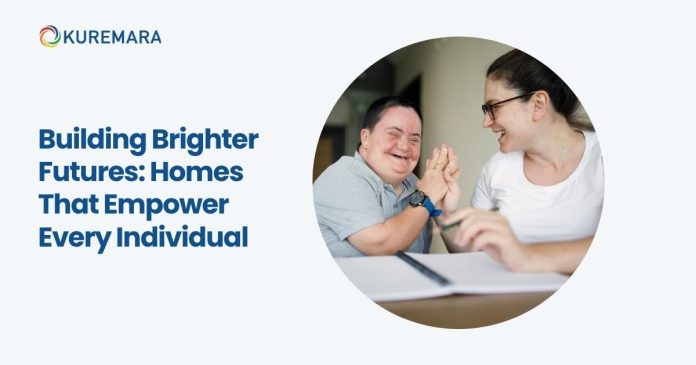
Home is more than a place to live; it’s a space where people feel safe, valued, and free to be themselves. For individuals living with disabilities, having the right living arrangement is central to achieving independence, comfort, and connection. Across Melbourne, a growing focus on supported living options is transforming how people experience home life, shifting from traditional care models to empowering, person-centred environments.
These living supports aren’t just about providing a roof over someone’s head. They’re about enabling choice, building skills, and nurturing community inclusion one household at a time.
Understanding Supported Independent Living (SIL)
Supported Independent Living, commonly known as SIL, offers people with disabilities the opportunity to live more independently while receiving the daily assistance they need. This may include help with cooking, cleaning, medication management, or personal care — but more importantly, it’s about building capacity and confidence.
The Core Philosophy Behind SIL
SIL is guided by three main principles:
- Independence: Supporting individuals to manage as much of their day-to-day life as possible.
- Choice: Allowing participants to make decisions about their routines, activities, and support team.
- Belonging: Encouraging community participation and relationships that enhance wellbeing.
By focusing on empowerment rather than dependency, SIL creates environments where participants can truly thrive.
The Human Impact of Supported Living
For many participants, moving into supported accommodation represents a turning point — a chance to start fresh, meet new people, and gain life skills that foster autonomy.
Real-Life Benefits of Supported Living
- Greater confidence: Learning to manage personal and household responsibilities.
- Improved wellbeing: Having consistent routines that promote physical and emotional health.
- Community connection: Participating in local events, volunteering, or joining clubs.
- Skill development: Gaining practical abilities like budgeting, cooking, or public transport navigation.
When supported housing is done right, it empowers individuals to take control of their own lives while knowing help is always within reach.
Finding the Right Support in Melbourne
Melbourne’s inclusive community and focus on accessible living make it a great place for participants to build independent lifestyles. The city offers a wide range of professional services and dedicated support teams that prioritise both care and community integration.
Working with trusted SIL providers Melbourne ensures participants can access homes that meet their needs — from shared living arrangements to more private setups. These providers focus on matching participants with suitable housemates, locations, and support staff, creating a harmonious and supportive living environment.
Short-Term Accommodation: More Than Just a Break
Short-Term Accommodation (STA), often referred to as respite care, provides temporary housing and support for people with disabilities. It’s a service designed not only to give families and carers a well-deserved rest but also to offer participants new experiences in a safe, structured setting.
What Makes STA So Valuable?
STA is more than a pause it’s a bridge to personal growth. During short stays, participants often:
- Experience new social opportunities.
- Try independent living in a supported environment.
- Build resilience and confidence outside of their usual routines.
Many participants return from short-term stays feeling refreshed and inspired, ready to take on new goals.
Working with dedicated STA providers Melbourne helps ensure each stay is tailored to the participant’s preferences from activity planning and meals to accessibility requirements and social experiences.
The Role of Support Workers in Independent Living
Behind every successful supported living arrangement is a team of compassionate and skilled support workers. Their role extends far beyond physical assistance — they act as mentors, advocates, and companions.
Qualities of Exceptional Support Workers
- Empathy: Understanding that independence looks different for everyone.
- Patience: Allowing participants the space to learn and grow at their own pace.
- Adaptability: Responding to unique needs and changing circumstances.
- Reliability: Providing consistent and trustworthy care.
These professionals help build routines that promote confidence and ensure safety, all while respecting the participant’s right to choice and control.
Creating a Sense of Home
A true home isn’t just defined by walls or rooms — it’s built through comfort, familiarity, and belonging. Supported homes often foster this environment through small but powerful touches:
- Personalised spaces: Participants can decorate and arrange their rooms to reflect their personalities.
- Shared experiences: Group meals, movie nights, and community outings strengthen friendships.
- Inclusive decision-making: Housemates and staff collaborate on house rules, meals, and schedules.
This combination of structure and freedom allows participants to live authentically, with support that adapts to their evolving goals.
The Importance of Community Inclusion
Independence flourishes when people feel part of a community. Melbourne’s disability support landscape encourages social inclusion through activities like art workshops, fitness programs, and community gardening.
These activities help participants develop friendships, practice communication, and build a sense of belonging. Local engagement also reduces isolation, which is especially important for emotional wellbeing.
By taking part in community life, individuals can discover new passions and redefine what independence means to them.
How Families Benefit from Supported Living
Families and carers play a central role in a participant’s journey, but constant care responsibilities can be overwhelming. SIL and STA options provide valuable peace of mind — knowing loved ones are supported by professionals in safe, nurturing environments.
Benefits for Families Include:
- Relief from daily caregiving demands.
- Confidence that their loved one is receiving quality, compassionate care.
- Opportunities to focus on self-care, work, or family balance.
- Stronger relationships through healthy boundaries and trust.
When families are supported, participants benefit too because independence doesn’t mean being alone; it means being surrounded by people who believe in your potential.
The Role of Collaboration in Better Outcomes
Effective disability support thrives on collaboration — between participants, families, providers, and professionals. Regular communication ensures that care plans stay relevant, progress is tracked, and goals are achieved.
This collaborative model fosters transparency, accountability, and trust key elements of high-quality care.
Providers who prioritise teamwork empower participants to take ownership of their journeys, making every decision a shared step toward growth.
Innovation in Supported Living
Technology is rapidly enhancing how supported living services are delivered. From smart home automation to digital communication platforms, innovation continues to improve safety, efficiency, and comfort.
Examples Include:
- Voice-activated systems for lighting, appliances, or reminders.
- Real-time health monitoring for greater peace of mind.
- Online portals that connect families with care updates.
- Virtual social events to maintain community connection.
These advances help participants gain confidence while staying connected with their families and support teams.
The Future of Independent Living in Melbourne
The future of disability accommodation is rooted in inclusion, innovation, and empowerment. Melbourne’s support network continues to grow stronger — with more options for personalised care, advanced accessibility, and community integration.
What sets the city apart is its commitment to person-centred care. By valuing individuality, independence, and human connection, Melbourne is shaping a model of supported living that inspires the rest of Australia.
Conclusion
Supported living isn’t just about where you live — it’s about how you live. Through compassionate assistance, meaningful connection, and inclusive community values, individuals can create homes that truly reflect who they are.
Whether it’s the stability of long-term arrangements or the renewal that comes from short-term respite, every form of support plays a role in building brighter futures.
With the right environment, trusted support, and a shared belief in potential, every person can find not only a house but a home filled with independence, dignity, and joy.

