
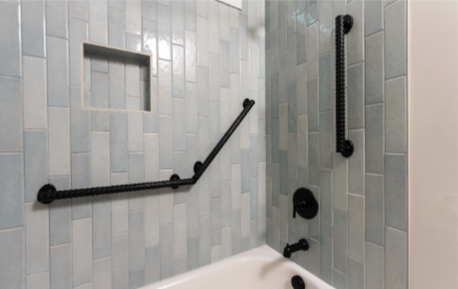
Bathrooms are one of the most dangerous areas in a home, especially for older adults, people with disabilities, or anyone with limited mobility. Slippery floors, wet surfaces, and sudden movements can easily lead to falls and injuries. One effective way to make the bathroom safer is by installing shower grab bars. These simple devices can provide stability, prevent accidents, and give users confidence while using the shower.
Understanding the Role of Shower Grab Bars
Shower grab bars are sturdy bars installed in showers, bathtubs, or near toilets to provide support and balance. They are designed to help people maintain stability while moving in and out of wet areas. Unlike towel bars, which are decorative and not strong enough to support weight, shower grab bars are built to hold significant pressure. They can be made from stainless steel, aluminum, or other durable materials that resist water and rust, ensuring long-term safety and reliability.
How Shower Grab Bars Prevent Accidents
One of the primary benefits of shower grab bars is their ability to reduce the risk of falls. Bathrooms often have smooth, wet floors that can cause slips, especially when stepping in or out of a shower or bathtub. Shower grab bars give individuals a stable surface to hold onto, allowing them to move with confidence. This extra support is especially important for older adults who may have weaker muscles or balance issues. By providing a secure handhold, grab bars can prevent accidents that might otherwise result in serious injuries, such as fractures or head trauma.
Improving Independence and Confidence
Shower grab bars not only protect users from falls but also promote independence. Many people hesitate to shower alone due to fear of slipping. Installing grab bars allows individuals to move freely and safely without relying on someone else for help. This sense of autonomy can greatly improve quality of life, giving users confidence in performing daily routines without constant assistance. For those recovering from surgery or dealing with temporary mobility issues, grab bars are particularly beneficial in supporting safe bathroom use.
Choosing the Right Shower Grab Bars
Selecting the right grab bars is essential for maximizing safety. The placement, length, and style of the bar should match the needs of the user. Vertical bars are helpful for providing support while standing up, while horizontal bars offer stability while moving along the shower wall. Some bathrooms may also benefit from angled or L-shaped bars for additional grip options. Additionally, choosing materials with a non-slip surface can further reduce the risk of accidents, especially when hands are wet or soapy.
Easy Installation and Maintenance
Shower grab bars are relatively easy to install, either by drilling into wall studs or using specially designed adhesive or suction models for tile surfaces. It is important to follow installation instructions carefully to ensure the bar is secure and can bear weight safely. Once installed, grab bars require minimal maintenance. Periodically checking for any looseness and cleaning the surface to prevent soap buildup or mold will ensure the bars remain safe and durable over time.
Enhancing Bathroom Accessibility
Beyond safety, shower grab bars improve overall accessibility. They make bathrooms more inclusive for people of all ages and abilities, supporting a safer environment for children, adults, and the elderly. Homes equipped with accessible bathrooms can also increase property value, as these modifications are increasingly recognized as important features for long-term living comfort and safety.
Conclusion
Shower grab bars are a simple yet highly effective way to improve safety in the bathroom. They prevent slips and falls, support independence, and enhance overall accessibility. By carefully selecting and installing the right grab bars, homeowners can create a safer, more comfortable space for family members, guests, and themselves. Investing in these bars is not just a precaution—it is a practical step toward preventing injuries and promoting confidence in one of the most frequently used areas of the home.

