
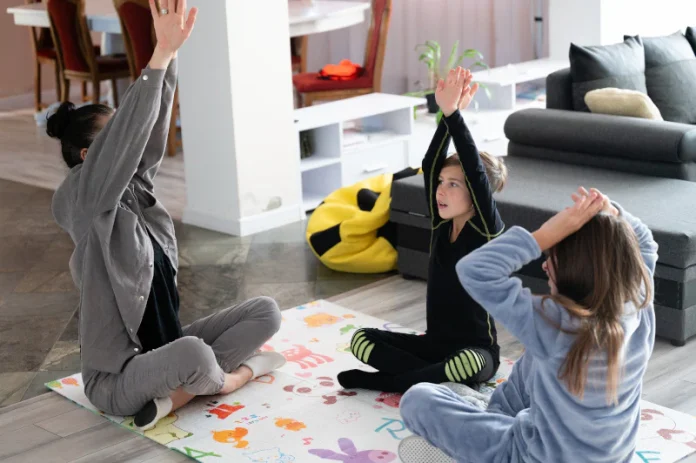
The hardest moments rarely arrive with warning. One sharp email, one traffic jam, one comment at dinner, and your whole nervous system can act like it has been handed a live wire. Mindfulness Practices help you notice that spark before it becomes the whole fire, which matters in American life where work pressure, family demands, bills, screens, and constant noise keep many people running on edge. This is not about becoming calm every second. That goal is fake, and frankly, exhausting. It is about building enough space inside yourself to choose your next move instead of being dragged by the first emotion that shows up. A person who pauses before replying, breathes before reacting, and names what they feel before dumping it on someone else is not weak. They are trained. For readers building a healthier personal growth routine, even a small daily reset can become part of a stronger lifestyle foundation, much like choosing better tools from a trusted wellness and self-improvement resource. Emotional regulation starts in ordinary moments, not dramatic ones, and that is where real change gets built.
Why Your Emotions Need Room Before They Need Control
Most people treat emotions like problems that need to be shut down. That approach backfires because feelings get louder when you pretend they are not there. Real emotional regulation begins when you stop fighting the first wave and start paying attention to what it is asking from you.
Emotional regulation starts before the reaction
Your body often knows you are upset before your mind admits it. Your jaw tightens, your chest gets narrow, your voice changes, or your hand reaches for your phone with no clear reason. These signals are not random. They are early warning lights.
A common mistake is waiting until anger, panic, or sadness becomes loud before doing anything about it. By then, you are not choosing from a calm place. You are negotiating with a body that already feels threatened, which makes even small problems feel personal.
A better move is to catch the first physical clue. When you notice your shoulders climbing during a meeting or your stomach dropping after a text, pause for ten seconds. That small pause does not erase the feeling, but it keeps the feeling from driving.
Calm daily habits make stress less explosive
Calm daily habits matter because the nervous system learns from repetition. A five-minute morning pause, a slower lunch break, or a quiet walk after work teaches your body that not every hour needs to feel like a chase. The habit looks small from the outside. Inside, it rewires your threshold for pressure.
Many Americans try to recover only after burnout shows up. They wait for the weekend, a vacation, or a clean break from stress. That plan sounds reasonable until life refuses to pause. Bills still arrive. Kids still need rides. Work still asks for one more thing.
The counterintuitive truth is that peace comes from practicing during normal days, not waiting for calm conditions. If you can breathe through mild annoyance at the grocery store, you build the skill you will need during a harder conversation later.
Mindfulness Practices That Make Emotion Easier to Hold
Control does not mean clamping down on what you feel. It means creating enough inner space that anger, fear, embarrassment, and grief can move through you without taking over your words. This is where the work becomes practical, because attention can be trained in the same ordinary places where stress appears.
Mindful breathing gives the body a different signal
Mindful breathing works because the breath speaks directly to the body. When your breathing gets fast and shallow, your system reads danger. When you slow the exhale, your body receives a different message: this moment may be hard, but it is not an emergency.
Try this during a tense workday. Sit with both feet on the floor, inhale through the nose for a comfortable count, then exhale longer than you inhale. Do not perform it like a wellness ritual. Use it like a steering wheel when the road gets slick.
The point is not to breathe perfectly. The point is to interrupt the automatic rush. Two minutes of mindful breathing before sending a difficult message can save you from a whole afternoon of regret.
Stress management gets easier when you stop arguing with reality
Stress management often fails because people confuse acceptance with approval. Accepting that you are overwhelmed does not mean you like it. It means you stop wasting energy denying the obvious and start working with what is in front of you.
A parent in Chicago who gets home late, finds dinner unfinished, and hears kids arguing has two choices. They can mentally protest the whole scene, or they can name it clearly: “This is a high-pressure moment.” That sentence sounds plain, but it stops the mind from adding extra drama.
Once you name the moment, your next action gets cleaner. You may take off your coat, drink water, speak slower, or handle one task first. Stress management becomes less about escape and more about order.
Turning Inner Awareness Into Better Relationships
Emotional control becomes most visible around other people. Anyone can seem calm alone in a quiet room. The real test comes when someone disappoints you, challenges you, misunderstands you, or pushes the exact button you hoped they would not find.
Emotional regulation protects the conversation
Emotional regulation gives you a chance to respond to what was said instead of reacting to every old hurt it touched. That distinction matters in marriages, friendships, workplaces, and family gatherings where one sentence can carry years of history behind it.
A tense conversation usually breaks down when people start defending their emotional weather instead of discussing the actual issue. One person raises their voice, the other shuts down, and suddenly the topic is no longer money, chores, deadlines, or respect. The topic becomes the reaction.
A mindful pause can change the direction. You can say, “I need a minute before I answer that well.” That sentence does not surrender your position. It protects it from being buried under heat.
Mindful breathing before hard words changes the outcome
Mindful breathing before a difficult conversation may feel awkward at first, especially if you are used to pushing through tension. Still, the awkwardness is useful. It reminds you that the next few words could either repair trust or damage it.
Before giving feedback to an employee, talking to a teenager, or answering a partner during conflict, take one slow breath that nobody else needs to notice. Let your face soften before your mouth opens. People hear tone before they hear logic.
This is not about becoming passive. Strong boundaries sound better when they are not wrapped in panic. A calm “No, that does not work for me” often lands harder than a heated speech.
Building Calm Daily Habits That Last in Real American Life
A practice only works if it fits the life you actually have. Many routines fail because they are built for an imaginary person with silent mornings, flexible hours, no commute, and endless patience. Real people need practices that survive noise, deadlines, and family schedules.
Stress management belongs inside ordinary routines
Stress management improves when it attaches to something you already do. After brushing your teeth, stand still for three breaths. Before opening your laptop, notice your posture. After parking the car, sit for twenty seconds before reaching for the door.
These tiny anchors matter because they remove the need for motivation. You do not have to redesign your life. You place a calmer habit beside a habit that already exists, then let repetition do its quiet work.
A nurse in Dallas, a teacher in Ohio, and a warehouse worker in Phoenix may have different schedules, but all of them have transition points. Those points are gold. The space between one task and the next is where the nervous system can reset.
Peaceful Emotional Control grows through honest repetition
Peaceful Emotional Control is not a personality trait reserved for naturally calm people. It is a pattern built through repeated returns. You lose your patience, notice it faster, repair sooner, and learn where the edge begins.
Some days will be messy. You will snap, rush, overthink, or fall into old habits. That does not cancel the practice. It gives you better material to work with tomorrow.
The mature goal is not emotional perfection. The goal is shorter storms, cleaner apologies, wiser pauses, and fewer words you wish you could pull back. Start with one breath before one reaction today, then repeat it until calm becomes something your body recognizes.
Conclusion
A calmer life does not come from controlling every situation around you. It comes from learning how to meet your own reactions before they run the room. The world will still be loud, people will still test your patience, and ordinary days will still carry pressure. That part is not going away. What can change is your relationship with the first spark inside you. Mindfulness Practices give you a way to slow the moment down, not so you can avoid emotion, but so you can handle it with more honesty and less damage. Begin where your life already feels tense: the inbox, the kitchen, the commute, the conversation you keep postponing. Pick one daily pause and protect it like it matters, because it does. The next time emotion rises, meet it before it becomes your voice.
Frequently Asked Questions
What are the best mindfulness exercises for emotional regulation?
Breathing with a longer exhale, naming the emotion, body scanning, and pausing before speaking are strong starting points. These exercises work best when practiced during mild stress first, so they feel familiar during harder moments.
How does mindful breathing help with stress management?
Slower breathing sends the body a calmer signal and helps interrupt the rush response. It gives your mind a few seconds to catch up before you speak, decide, or react from pressure.
Can calm daily habits improve anger control?
Small daily habits can reduce how quickly anger takes over. Short pauses, quiet transitions, and body awareness make it easier to notice irritation early, before it turns into a sharper reaction.
How long should I practice mindfulness each day?
Five to ten minutes is enough to begin. Consistency matters more than length. A short practice done daily will help more than a long session you abandon after a week.
What is the easiest mindfulness practice for beginners?
The easiest practice is noticing one full breath without changing anything. Feel the inhale, feel the exhale, and return to the present moment when your attention wanders.
Why do I still feel emotional after practicing mindfulness?
Mindfulness does not erase emotion. It helps you relate to emotion with more space and less panic. Feeling upset after practice does not mean you failed; it means you stayed present.
How can mindfulness help during difficult conversations?
Mindfulness helps you notice tension in your body before it becomes tone, sarcasm, or defensiveness. A short pause can help you answer the actual issue instead of reacting from old frustration.
What daily routine supports better emotional control?
Attach a short pause to something you already do, such as brushing your teeth, starting work, entering your car, or preparing dinner. Repeated small resets train calm into ordinary life.

