

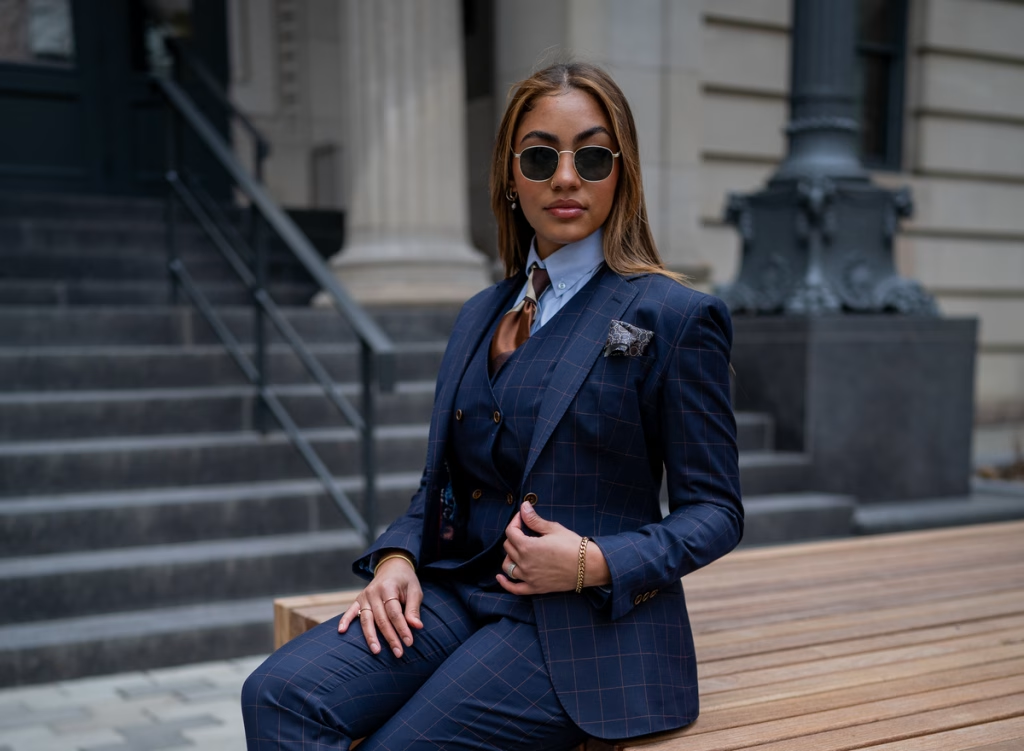
A sharp outfit can change the way a room reads you before you say a word. For many Americans, the problem is not a lack of clothes; it is a closet full of pieces that almost work. Tailored clothing tips matter because fit does the quiet work that logos, trends, and expensive labels cannot do. A jacket that follows your shoulders, trousers that break cleanly, and a shirt that sits close without pulling all send the same message: you pay attention. That message lands at a job interview in Chicago, a client lunch in Dallas, a wedding in Atlanta, or a date night in Los Angeles. Style does not need to shout to be noticed. The strongest looks often feel calm, controlled, and personal. That is the real win: clothing that helps you look current without making you look like you are chasing approval. For broader American style coverage and visibility, fashion-focused media placement can also shape how modern dressing ideas reach local readers.
Why Tailored Clothing Tips Create a Stronger First Impression
A strong first impression starts with proportion, not price. Most people notice fit before they know they are noticing it. A $90 shirt that sits properly can look sharper than a $400 shirt fighting your shoulders, collar, or waist. That is why modern style begins with control over shape. The goal is not to look stiff or overly formal. The goal is to look intentional in a country where dress codes keep getting looser but judgment has not disappeared.
The Fit Details People Notice Without Naming
Shoulders carry more weight than most people think. When a blazer seam drops past the shoulder bone, the whole frame looks tired. When it sits too high, the jacket looks borrowed from a younger brother. Proper fit starts there because the shoulder line sets the structure for everything below it.
Sleeves matter next. Jacket sleeves should show a small amount of shirt cuff, not swallow the hand or stop halfway up the wrist. Shirt sleeves should move with the arm without ballooning around the forearm. These details sound small, but they change the whole impression from “dressed up” to “dressed well.”
Trousers tell their own story. A clean break at the shoe looks current and controlled, while stacked fabric can make even a good pair of pants look careless. In American offices where sneakers, loafers, and boots all show up in the same meeting, trouser length keeps the outfit from drifting into mess.
Why Expensive Clothes Still Fail Without Proper Fit
Price does not rescue bad proportions. Luxury fabric can still pull across the chest, sag at the seat, or wrinkle around the collar. The sad part is that people often blame their body when the problem is the garment. Clothes are made for averages. You are not an average.
A tailor closes that gap. Hemming trousers, tapering sleeves, adjusting the waist, and cleaning up shirt sides can turn ordinary pieces into reliable staples. Proper fit gives your wardrobe a second life because it makes existing clothes perform better instead of pushing you to buy more.
The counterintuitive truth is simple: tailoring can make your style quieter. Once clothing fits, you need fewer tricks. You stop reaching for loud patterns, oversized branding, and trend-heavy details to create interest. The shape does the work, and that kind of confidence reads cleaner in almost every American setting.
Building a Professional Wardrobe That Still Feels Modern
A professional wardrobe should not feel like a costume pulled from an old office manual. Workwear has changed across the United States, especially in hybrid offices where one day may call for a blazer and the next may call for dark denim. The smartest move is to build a wardrobe that adapts without losing authority. Modern style lives in that middle ground between relaxed and careless.
Choosing Core Pieces Before Buying Statement Items
Core pieces earn their place because they solve daily problems. A navy blazer, charcoal trousers, white oxford shirt, light blue button-down, dark straight-leg denim, clean loafers, and plain leather belt can carry more outfits than a rack full of trend pieces. These items work because they do not demand attention before you do.
A professional wardrobe also benefits from restraint. You do not need fifteen shirts if six fit well and cover the right range. White, blue, pale gray, soft stripes, and one richer tone can handle most workdays. The point is not minimalism for its own sake. The point is removing weak choices from your morning.
Statement items still matter, but they should arrive after the foundation. A textured sport coat, suede jacket, patterned tie, or knit polo can add personality once the base is secure. Buying them first usually creates a closet full of interesting pieces that refuse to work together.
How Men’s Tailoring Has Shifted in American Offices
Men’s tailoring has moved away from stiff armor. The old boxy suit with padded shoulders and wide trousers feels dated in most modern workplaces. Today’s better silhouette has cleaner lines, softer structure, and enough ease to move through a full day without looking trapped inside the clothes.
American offices now reward flexibility. In New York finance, a suit may still matter. In Austin tech, a chore jacket over a fine-gauge knit can look sharper than a forced tie. In Washington, D.C., conservative tailoring still holds power, but even there, cleaner cuts and better fabric choices make a difference.
Men’s tailoring works best now when it respects the setting. A suit should not look like a uniform unless the room requires one. Separates often feel more natural: blazer with wool trousers, knit polo under a jacket, or a crisp shirt with tailored chinos. Authority has changed shape. It now looks less rigid and more controlled.
Tailored Clothing Tips for Everyday Style Beyond the Office
Great tailoring should not disappear after work. Weekend clothes also need shape, especially when casual style can slide into sloppy territory fast. The same eye that improves a suit can improve denim, jackets, polos, and outerwear. This is where tailored clothing tips become practical rather than formal. They help everyday clothes look sharper without making Saturday feel like a boardroom.
Making Casual Clothes Look Intentional
Casual clothes fail when they have no line. A T-shirt with sleeves that flare, jeans that pool at the ankle, and a jacket that hangs too wide all create visual noise. None of those pieces are wrong on their own. They simply need better proportion.
Start with denim. Dark straight or slim-straight jeans work across most American cities because they sit between trendy and timeless. They should skim the leg without gripping it. The hem should meet your shoe with little extra fabric, especially if you wear sneakers or Chelsea boots.
Casual jackets need the same respect. A bomber, trucker jacket, field jacket, or overshirt should frame the torso without swallowing it. When the shoulder lands correctly and the body length hits near the hip, even a simple outfit gains structure. That is how a plain white tee, jeans, and jacket can look considered rather than unfinished.
Using Color and Texture Without Looking Overdone
Color works best when it supports the fit rather than fights it. Navy, olive, tan, gray, cream, brown, and black give you room to build strong outfits without creating chaos. Modern style does not require a loud palette. It requires colors that make sense on your skin, in your city, and in your daily routine.
Texture adds interest when color stays calm. A brushed cotton overshirt, suede loafer, wool trouser, ribbed knit, or washed denim jacket can create depth without shouting. This approach works well in the USA because climate and lifestyle vary so much. A Miami linen shirt and a Boston wool coat can both feel sharp when the fit and texture match the setting.
The unexpected move is to avoid making every piece “special.” One textured item per outfit often does enough. A suede jacket over clean basics feels better than five competing details. Restraint gives texture room to land.
Small Alterations That Make the Biggest Difference
The best wardrobe upgrades often happen outside the store. A skilled tailor can fix the exact problems that make clothes sit unused in your closet. That does not mean every item deserves alteration. It means you should know which changes deliver the most visible return. Proper fit is partly about buying wisely, but it is also about editing what you already own.
The Alterations Worth Paying For First
Trousers should usually come first. Hemming length, tapering the leg, and adjusting the waist can change the entire lower half of your outfit. A clean trouser line makes shoes look better, posture look stronger, and shirts look neater. Few alterations work harder for the money.
Jacket sleeves come next. Sleeves that end at the right point sharpen the hand, wrist, and cuff area. That small line affects how polished you look when shaking hands, typing in a meeting, or holding a drink at an event. People may not say, “Great sleeve length,” but they will read the outfit as sharper.
Shirt tailoring also pays off. Taking in the sides can remove ballooning fabric without making the shirt tight. Shortening sleeves can fix bunching at the cuff. A clean shirt fit matters because shirts sit closest to the body and show every extra fold under a jacket.
When Not to Alter a Garment
Some clothes do not deserve rescue. If the shoulders are wrong on a jacket, walk away unless the piece has rare value. Shoulder work is costly and risky. A tailor can perform magic, but not all magic is worth the bill.
Fabric also sets limits. Cheap fabric may not respond well to tailoring, especially if it twists, shines, or puckers after alteration. A low-cost pair of trousers with poor construction can end up costing more than a better pair bought correctly from the start.
Sentiment can cloud judgment. The suit from five years ago, the blazer from a sale rack, or the jeans you hoped would fit after a size change may not belong in the future version of your wardrobe. Good style requires some honesty. Keep what can become better. Release what keeps asking for excuses.
Conclusion
Sharp dressing is not about becoming someone else. It is about removing the distractions that keep your clothes from supporting who you already are. A strong wardrobe gives you range: professional enough for serious rooms, relaxed enough for real life, and current enough to avoid looking stuck in another decade. Tailored clothing tips help because they turn style from a guessing game into a set of decisions you can repeat. Start with the pieces you wear most. Check the shoulders, sleeves, waist, trouser length, and overall shape before buying anything new. Then take the strongest items to a tailor and fix what keeps them from working. A better appearance does not require a closet reset. It requires sharper standards. Choose one garment this week, improve the fit, and let that small change raise the bar for everything else you wear.
Frequently Asked Questions
What are the best tailored clothing tips for men in the USA?
Start with shoulder fit, sleeve length, trouser break, and shirt shape. These details affect the whole outfit before color or branding matters. American style works best when clothes feel easy but still controlled, especially across office, social, and weekend settings.
How can proper fit make affordable clothes look expensive?
Proper fit removes the signs that make clothing look cheap, such as sagging fabric, pulling buttons, and messy hems. Even budget-friendly pieces look cleaner when they follow the body well. A simple alteration can often beat a higher price tag.
What should be in a professional wardrobe for modern men?
A strong professional wardrobe should include a navy blazer, charcoal trousers, white and blue shirts, dark denim, tailored chinos, loafers, and clean outerwear. These pieces mix easily and cover most American work settings without feeling stiff or outdated.
How does men’s tailoring differ from regular off-the-rack clothing?
Men’s tailoring adjusts garments to your body instead of forcing your body into a standard size. Off-the-rack clothing follows general measurements, while tailoring corrects sleeve length, waist shape, trouser break, and jacket balance for a cleaner result.
Can casual clothes be tailored for better modern style?
Casual clothes can and often should be tailored. Jeans, chinos, overshirts, jackets, and even some polos can look sharper with better length and shape. The goal is not formality. The goal is clean proportion that makes relaxed clothing look intentional.
What alterations should I ask a tailor for first?
Begin with trouser hemming, waist adjustments, sleeve shortening, and shirt side tapering. These changes are common, visible, and usually worth the cost. Avoid major shoulder reconstruction unless the garment is valuable enough to justify the expense.
How many tailored pieces does a man need for a sharp appearance?
Most men need fewer pieces than they think. A small group of well-fitted shirts, two strong trousers, one reliable blazer, dark denim, and clean shoes can build many outfits. Fit and coordination matter more than owning a packed closet.
What colors work best for a sharp modern appearance?
Navy, charcoal, white, light blue, olive, tan, brown, gray, and black work well because they pair easily and suit many American settings. These colors keep outfits flexible while allowing texture, shoes, and fit to create the main impression.
