
A great piece of land can turn into a headache fast when the rules underneath it do not match the dream attached to it. That is why property zoning matters before a buyer, investor, builder, or small business owner gets too excited about a site. In the United States, land is never only about location; it is also about permission, limits, and the local board that decides what can happen next.
For homeowners, zoning can affect whether a garage becomes an apartment, whether a backyard can hold a rental unit, or whether a corner lot can support a small shop. For investors reading real estate guidance from a trusted business publishing platform, zoning knowledge helps separate a smart opportunity from an expensive delay. The difference is not always visible from the curb.
Most zoning problems start with one bad assumption: “I own it, so I can use it how I want.” Ownership gives control, but zoning sets the playing field. The smarter move is to understand that field before money moves, plans get drawn, or promises get made.
Why Zoning Exists Before Any Land Plan Makes Sense
Zoning may feel like red tape when you first run into it, but its original purpose is simple: keep land uses from clashing so badly that neighborhoods stop working. A factory next to a quiet street, a loud bar beside a school, or a flood-prone lot packed with new homes can create problems that last for decades. Good zoning is not about blocking growth. It is about forcing growth to answer a harder question: does this use fit here?
How Local Rules Protect Everyday Property Value
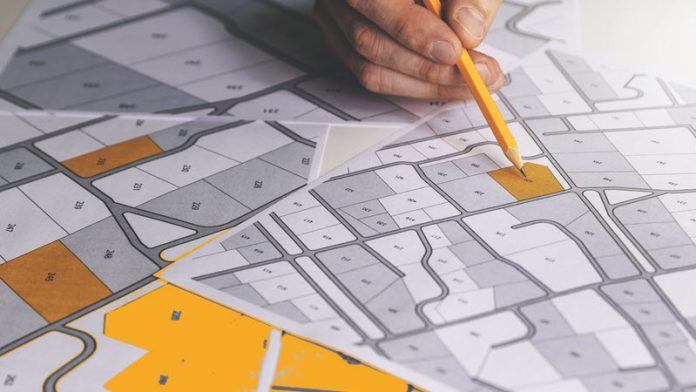
Local zoning rules protect more than city paperwork. They shape the daily experience of people who live, work, and invest in a community. A single zoning map can decide where apartment buildings rise, where retail strips expand, where warehouses operate, and where single-family streets stay mostly unchanged.
Take a homeowner in Ohio who buys near a quiet intersection. If the corner lot across the street could suddenly become a late-night drive-through, that buyer’s sense of value changes. Zoning gives residents some predictability, even when they cannot control every decision around them.
The counterintuitive part is that limits can create value. A neighborhood does not gain stability because everyone gets unlimited freedom. It gains stability because each owner knows the rough boundaries of what others can do nearby.
Why Zoning Is Not the Same as Good Planning
Zoning and planning often get treated like twins, but they are not the same thing. Planning asks what a community wants to become. Zoning decides what is currently allowed parcel by parcel.
A city may want more affordable housing, more walkable streets, and less car traffic, yet its zoning code may still require large lots, wide setbacks, and too much parking. That mismatch happens across many American towns. The vision says one thing, while the code quietly blocks it.
This is where land use planning gets interesting. The best communities do not only ask whether a project follows the code. They ask whether the code still serves the future residents actually need. Old rules can protect a place, but they can also freeze bad patterns in place.
Property Zoning and the Main Categories Buyers Should Know
Property zoning works best when you stop seeing it as one giant legal topic and start seeing it as a sorting system. Most parcels fall into broad categories, and each category carries its own assumptions about noise, traffic, density, building size, and public impact. The label may look simple on a city map, but the details inside that label decide what a project can become.
Residential, Commercial, Industrial, and Mixed-Use Zones
Residential zoning covers land meant mostly for housing. It may allow single-family homes, duplexes, townhomes, apartments, accessory dwelling units, or senior housing, depending on the local code. Two parcels can both be “residential” and still have completely different rules.
Commercial zoning supports business activity like offices, stores, restaurants, gas stations, and service companies. Industrial zoning usually allows heavier uses such as manufacturing, distribution, storage, repair yards, and plants that create more truck traffic or noise.
Mixed-use zoning blends categories. A developer in Denver, Austin, or Nashville might build apartments above ground-floor shops because the district allows housing and retail together. That format feels modern, but it actually restores an older American pattern: people living closer to daily needs instead of driving for every errand.
Density, Setbacks, Height, and Parking Matter More Than Labels
The zoning label is only the front door. The deeper rules often matter more. Density controls how many units can fit on a lot. Setbacks decide how far a building must sit from property lines. Height limits cap the number of stories. Parking rules can make or break a project before design begins.
A small apartment project may be allowed on paper but blocked in practice by parking requirements. If the code demands two spaces per unit and the lot cannot fit them, the project may shrink or die. That is not theory. It happens often in growing U.S. cities where housing demand is high but old parking rules still control the math.
One quiet truth: zoning does not always say “no” directly. Sometimes it says “yes” with conditions so expensive that the answer becomes no anyway. Smart buyers read the details before celebrating the category.
How Zoning Decisions Affect Owners, Investors, and Neighborhoods
Zoning is not only a government issue. It touches real money. A zoning decision can raise a parcel’s value, limit its income potential, delay a closing, or turn a simple remodel into a hearing. For regular owners, the stakes can feel personal. For investors, they can decide the difference between a strong deal and a trapped asset.
The Hidden Cost of Buying Before Checking the Code
A buyer may fall in love with a property because it has space, frontage, visibility, or an old building that looks perfect for conversion. Then the zoning review tells a colder story. The planned use may require a variance, a conditional use permit, a rezoning request, or a site plan review.
Think of a small business owner in Florida who buys a house on a busy road to convert it into a daycare. The traffic makes the location seem ideal. The yard looks useful. The building feels adaptable. Then the owner learns the district does not allow childcare without special approval, and neighbors are already worried about pickup lines.
That mistake is painful because it was avoidable. Before signing, buyers should check the zoning designation, allowed uses, parking rules, signage limits, occupancy rules, and any overlay district. The cheapest zoning research happens before the deal closes.
Why Variances and Rezoning Are Never Guaranteed
A variance is usually a request for relief from a specific rule, such as a setback or height limit. Rezoning asks the local government to change the zoning classification itself. Both can open doors, but neither should be treated as a sure thing.
Public hearings can shift fast. One neighbor with a strong objection may not kill a project alone, but a room full of concerned residents can change the tone. Local boards often weigh traffic, drainage, noise, safety, neighborhood character, and whether the request fits adopted plans.
Investors sometimes underestimate the human side. A technically solid application can still lose support if residents feel blindsided. The smartest applicants meet the code, but they also explain the project in plain English before fear fills the room.
Using Zoning Basics for Smarter Land Use Planning
Zoning becomes useful when it turns from a barrier into a planning tool. You do not need to become a land-use attorney to make better decisions. You need a practical way to read the rules, ask better questions, and spot the warning signs early enough to change course.
What to Check Before You Buy, Build, or Convert
Start with the zoning map, but never stop there. The map tells you the district. The code tells you what that district allows. The property record, deed restrictions, easements, flood maps, and homeowners association rules may add another layer.
A basic pre-purchase review should answer five questions: What uses are allowed by right? What uses need special approval? What building limits apply? What parking or access rules matter? What future plans does the city have for the area?
A practical example is a buyer looking at a vacant lot in a fast-growing suburb outside Dallas. The parcel may appear ready for townhomes, but utility access, minimum lot width, drainage rules, and road frontage can reshape the entire plan. Zoning starts the review. It does not finish it.
When Professional Help Saves More Than It Costs
Some zoning questions are easy enough for a careful owner to research. Others deserve a professional. A land-use attorney, planner, architect, civil engineer, or zoning consultant can spot issues that are easy to miss when you are focused on price and potential.
Professional help matters most when the project involves a use change, added units, commercial activity, subdivision, environmental limits, or public hearings. The fee may feel annoying at first, but it can protect months of time and thousands of dollars in redesigns.
The best move is not to hand every decision to an expert and stop thinking. The best move is to understand enough property zoning basics to know when the risk has moved beyond casual research. That judgment is where smart land decisions begin.
Conclusion
Land rewards people who ask boring questions early. The boring questions reveal the real deal. Before you chase a plan, check the rules beneath it, because the zoning code may either support your idea or quietly fight it at every step.
Good land use decisions are rarely built on excitement alone. They come from matching a property’s physical potential with its legal limits, neighborhood context, and approval path. That is why zoning research belongs near the front of every serious real estate plan, not at the end when the budget is already bleeding.
Property zoning basics give owners, buyers, and investors a cleaner way to think. They do not remove every risk, but they expose the risks that can be managed before they become expensive. Before you buy, build, convert, or lease a property for a new use, pull the zoning record and read it like money depends on it, because it does.
Frequently Asked Questions
What are property zoning rules in real estate?
Property zoning rules are local laws that control how land can be used. They may limit building type, business activity, height, density, parking, signs, and setbacks. These rules help cities manage growth and reduce conflicts between homes, businesses, and industrial uses.
How do I find the zoning classification of a property?
Start with the city or county zoning map, usually available through the local planning department website. Search by address or parcel number. Then read the zoning code for that district, because the map gives the label while the code explains what is allowed.
Can zoning stop me from running a business from home?
Yes, zoning can limit home-based businesses. Many cities allow quiet office-style work but restrict customer visits, signage, employees, storage, noise, or deliveries. Rules vary by city, so check the local code before investing in equipment, remodeling, or advertising the business location.
What is the difference between rezoning and a variance?
Rezoning changes the land’s zoning classification, while a variance asks for relief from one specific rule. A variance might address a setback issue. Rezoning might change a parcel from residential to commercial. Both usually require review, paperwork, and local approval.
Why does zoning matter before buying land?
Zoning tells you whether your intended use is legal, limited, or blocked. A parcel may look perfect but still fail because of density limits, access rules, parking requirements, or prohibited uses. Checking zoning before buying helps prevent costly surprises after closing.
Can neighbors object to a zoning change?
Yes, neighbors can often speak at public hearings for rezoning, variances, or conditional use permits. Their concerns may include traffic, noise, privacy, drainage, parking, or neighborhood character. Local boards may consider those objections before approving or denying an application.
What does mixed-use zoning mean for property owners?
Mixed-use zoning allows more than one type of use on the same site or within the same district. It often combines residential, retail, office, or service uses. This can support walkable areas, higher land value, and more flexible development options.
Should I hire a zoning professional before developing property?
Hire professional help when the project involves a use change, multiple units, public hearings, commercial activity, subdivision, or unclear code language. A zoning consultant, land-use attorney, planner, or architect can identify problems early and help you avoid costly redesigns or approval delays.

