
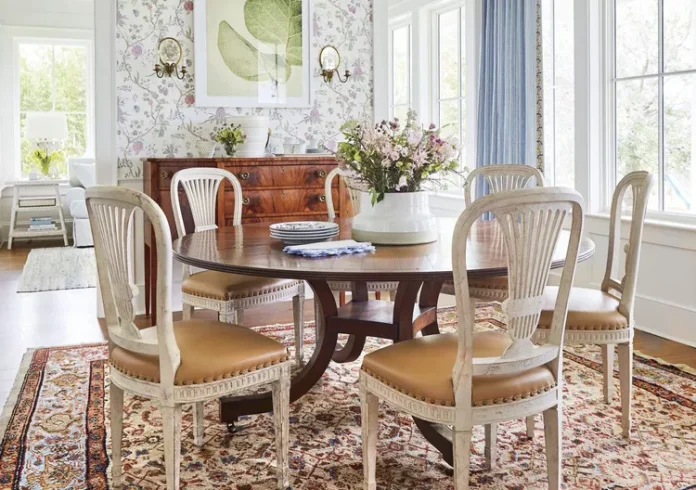
A dining room can expose the whole mood of a home in five seconds. Guests notice the chairs before they notice the menu, and they feel the room before they taste the food. That is why Dining Room Styling matters so much when you want a meal to feel warm, polished, and worth remembering. Across American homes, the dining room has become more flexible than ever, shifting from holiday command center to homework zone to Sunday dinner table without warning. Good style does not mean stiff perfection. It means the room supports real people, real conversation, and real plates of food without feeling staged. A beautiful gathering needs comfort, timing, lighting, and enough personality to keep the space from looking like a furniture showroom. If you want stronger hosting ideas, a smart place to study presentation and visibility is through home and lifestyle publishing resources that show how small details shape attention. The best dining rooms do not ask guests to admire them from a distance. They invite everyone to sit down, loosen up, and stay longer than planned.
Build the Room Around How People Actually Gather
A dining room should start with behavior, not furniture. Too many homeowners buy a table first, then spend years fighting the layout because the room never matched the way their family eats, talks, serves, and moves. Elegant family gatherings work better when the space respects the rhythm of the evening: arrival, seating, serving, conversation, clearing, and lingering. The surprise is that elegance often comes from removing friction, not adding decoration.
Start With the Table Shape That Fits the Room
A rectangular table feels natural in many American homes because most dining rooms follow the same long shape. It gives you clear head seats, enough surface for serving dishes, and a familiar sense of order. The mistake happens when the table grows too large for the room and guests must slide sideways to reach a chair.
A round table changes the feeling immediately. Nobody sits at the “lesser” end, conversation travels more easily, and smaller spaces feel softer. This works well in apartments, breakfast rooms, and older homes where the dining area connects to a living room instead of sitting behind closed doors.
The table should leave enough walking space for someone to pass behind a seated guest without asking everyone to shift. That detail sounds minor until Thanksgiving dinner turns into a traffic jam between the sideboard and the kitchen. Formal dining room ideas fail fast when comfort gets sacrificed for scale.
Make Seating Feel Generous, Not Crowded
Chairs carry more weight than people admit. A pretty chair with a stiff back can ruin a meal faster than a weak centerpiece. Guests should be able to sit through soup, dinner, dessert, and another twenty minutes of conversation without hunting for an excuse to stand.
Upholstered chairs add softness, but they need fabric that can handle spills. Performance linen, leather, and tightly woven blends make sense for homes with kids, pets, or guests who fill wine glasses to the brave line. Wood chairs can work too, especially with shaped backs and seat cushions that do not slide around during the meal.
Bench seating looks casual and saves room, but it belongs in the right setting. A bench against a wall works for children, weeknight dinners, and relaxed hosting dinner at home. For adults in dress clothes at a long meal, individual chairs feel more respectful and easier to manage.
Choose Color, Texture, and Light With Intention
Once the layout behaves, the atmosphere can take over. Dining room decor succeeds when the room feels layered without becoming busy. Color sets the emotional temperature, texture keeps the eye engaged, and light decides whether everyone looks relaxed or tired. A dining room should flatter both the food and the faces around the table.
Use Color to Create a Mood Before Dinner Starts
Deep colors can make a dining room feel intimate in a way pale walls cannot. Navy, olive, clay, charcoal, and warm brown create a sense of enclosure that suits evening meals. These shades work especially well in homes where the dining room has its own walls instead of blending into an open-plan space.
Lighter colors still have a place. Cream, mushroom, soft taupe, and muted green can make a smaller dining area feel open without turning it cold. The key is avoiding flat white walls with no texture, no trim interest, and no warmth from wood or fabric.
Color should also connect to the rest of the house. A dining room does not need to match the living room, but it should feel like it belongs in the same story. Elegant family gatherings feel more natural when guests move through rooms that relate to each other instead of jumping from one style language to another.
Layer Lighting So the Room Can Shift
Overhead lighting alone rarely does the job. A chandelier or pendant gives the table a focal point, but it should not blast everyone like a store display. Put the fixture on a dimmer and hang it low enough to feel connected to the table while high enough to keep sightlines clear.
Wall sconces, buffet lamps, and candles add the second layer. This is where the room starts to feel alive. A pair of lamps on a sideboard can warm the corners, while candles down the center of the table give motion and softness that electric light cannot copy.
Daytime meals need a different strategy. Natural light can be beautiful, but harsh sun across the table makes guests squint and turns glassware into glare. Linen curtains, woven shades, or sheer panels give control without killing the brightness that makes brunch feel fresh.
Style the Table Without Turning It Into a Display
The table is where taste meets restraint. Dining Room Styling can collapse when the surface becomes so decorated that guests have nowhere to put bread, elbows, water glasses, or passing dishes. A dining table should look finished, but it should still act like a working table. The best tablescapes leave room for life.
Keep the Centerpiece Low, Loose, and Useful
Tall centerpieces look dramatic in photos and annoying in person. Guests should not need to lean around flowers to talk to someone across the table. Low arrangements, shallow bowls, taper candles, greenery, fruit, or clustered bud vases create interest without blocking the room’s social current.
Seasonal elements help, but they should not feel like a craft aisle exploded. In fall, pears, branches, amber glass, and linen napkins can carry the mood. In spring, a few stems, pale ceramics, and fresh herbs can say enough. Restraint reads richer than excess.
A practical centerpiece also leaves space for food. If you serve family-style, keep the middle flexible. Place flowers toward the ends, use narrow candleholders, and leave the central lane open for platters. Hosting dinner at home should not require moving half the table before the first dish lands.
Mix Formal Pieces With Casual Details
A room becomes more inviting when not every item speaks in the same voice. Fine china looks less precious beside relaxed linen napkins. A polished silver serving spoon feels less formal when placed on a handmade ceramic platter. That mix keeps elegance from turning brittle.
Place cards can still feel personal without becoming stiff. A small card tucked into a folded napkin, a handwritten tag tied to a stem of rosemary, or a simple name card on textured paper can help guests feel considered. The point is not control. The point is welcome.
Dining room decor also benefits from one unexpected note. A patterned tablecloth with plain plates, vintage glasses with modern flatware, or a bold runner on a simple wood table can create character. Too much matching makes the room feel purchased in one afternoon, and guests can sense that flatness.
Make the Whole Room Support the Meal
A beautiful table cannot carry a poorly planned room. Storage, traffic flow, sound, scent, and serving zones shape the gathering as much as the chairs and candles. This is where formal dining room ideas need to meet everyday reality. A room that works well lets the host relax, and relaxed hosts create better evenings.
Give Serving Pieces a Place to Land
A sideboard earns its footprint during a gathering. It gives you a place for water pitchers, extra napkins, dessert plates, wine, coffee cups, or a dish that needs to wait its turn. Without that landing zone, the table gets crowded and the kitchen becomes the only backup plan.
Small homes can solve this with a console table, bar cart, narrow cabinet, or even a sturdy shelf near the dining area. The furniture does not need to look massive. It needs to catch the overflow that always appears once people start eating.
Storage should also protect the pieces you use for hosting. Platters, chargers, candles, napkin rings, and table linens should live close enough to the dining room that setting the table does not feel like a scavenger hunt. Elegant family gatherings become easier when the system behind them makes sense.
Control the Details Guests Feel but May Not Name
Sound changes the meal. A dining room with bare floors, bare walls, and hard chairs can turn conversation into clatter. A rug under the table, lined curtains, upholstered seats, and wall art help absorb noise so people can hear each other without raising their voices.
Scent needs restraint. Strong candles can fight the food, especially during a meal with herbs, garlic, roasted meat, or dessert. Unscented candles belong on the table, while a light scent can stay in the entry or powder room. Dinner should smell like dinner.
Temperature also matters. A room full of guests warms up fast, especially with candles and hot food. Before hosting dinner at home, lower the thermostat slightly, check airflow, and avoid seating anyone under a direct vent. Comfort often looks invisible, but guests remember it in their bodies.
Conclusion
A dining room does not become memorable because every plate matches or every chair follows a trend. It becomes memorable because the room understands its job. It gives people enough beauty to feel honored, enough comfort to stay present, and enough order to let the meal unfold without constant correction. That balance matters in American homes where gatherings often carry more than food: birthdays, holidays, reunions, announcements, grief, celebration, and the plain need to sit together again. Dining Room Styling works best when it serves those moments instead of competing with them. Start with the table and chairs, then tune the color, lighting, surface, storage, and atmosphere until the room feels generous. Do not chase perfection. Build a space where people can eat well, speak freely, and leave feeling closer than when they arrived. Your next step is simple: choose one friction point in your dining room this week and fix it before your next gathering.
Frequently Asked Questions
How do I style a dining room for elegant family gatherings?
Start with comfortable seating, warm lighting, and a table setting that leaves room for food and conversation. Add texture through linens, rugs, and natural materials. Keep the centerpiece low, choose colors that flatter the room, and make sure guests can move easily around the table.
What are the best formal dining room ideas for small spaces?
Choose a round or narrow rectangular table, use slim chairs, and add a mirror or wall sconces to open the room visually. A small sideboard or bar cart can hold serving items without crowding the table. Keep the palette warm but not heavy.
What dining room decor makes a room feel more expensive?
Layered lighting, quality curtains, a well-sized rug, framed art, and solid table linens make the biggest difference. Expensive-looking rooms usually avoid clutter. They rely on proportion, texture, and restraint rather than too many decorative pieces fighting for attention.
How can I make hosting dinner at home feel easier?
Set the table earlier, create a serving station, and keep extra napkins, glasses, and utensils nearby. Choose dishes that do not need last-minute panic. A calm room setup helps you stay present with guests instead of running between the kitchen and table.
What centerpiece works best for a family dining table?
Low flowers, candles, greenery, fruit bowls, or small grouped vases work well because they add beauty without blocking conversation. Avoid tall arrangements during meals. The centerpiece should support the gathering, not become an obstacle between guests.
How do I choose lighting for a dining room?
Use a dimmable chandelier or pendant over the table, then add softer side lighting through sconces or buffet lamps. The goal is a warm glow that flatters faces and food. Harsh overhead light makes even a well-styled room feel cold.
Should a dining room rug go under the table?
A rug works well when it is large enough for chairs to remain on it after guests pull them out. It softens sound, adds warmth, and helps define the dining area. Skip tiny rugs because chair legs will catch on the edges.
How do I make a dining room feel elegant but still family-friendly?
Choose durable fabrics, washable linens, stable chairs, and finishes that can handle real meals. Add elegance through lighting, color, art, and table layers rather than fragile pieces. A family-friendly room can still feel polished when comfort and beauty work together.

