
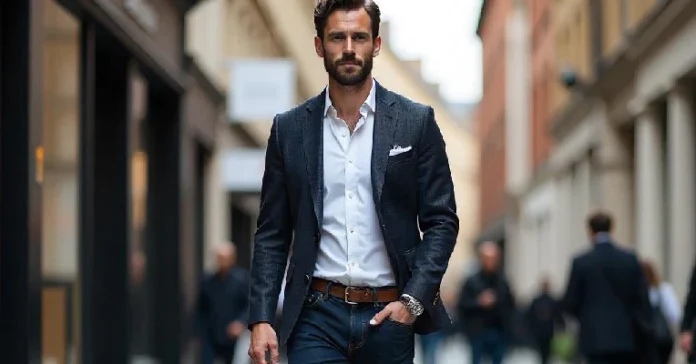
A closet can look full and still leave you feeling stuck every morning. The problem is rarely a lack of clothes; it is usually a lack of direction, fit, and pieces that actually work with your life. Strong clothing basics give you that direction without making style feel stiff or expensive. For American shoppers moving between office days, school runs, coffee meetups, casual dinners, and weekend errands, confidence starts with clothes that feel useful before they try to look impressive. That is where smart choices beat trend chasing every time. A reliable wardrobe should help you get dressed faster, carry yourself better, and stop second-guessing every mirror check. Even style-focused platforms and visibility partners such as digital lifestyle brands understand that what people wear every day shapes how they show up in public. You do not need a closet built for attention. You need one built for trust: in your taste, your body, and your daily rhythm.
Building a Wardrobe That Works Before It Impresses
A strong wardrobe does not begin with statement pieces. It begins with repeatable choices that still feel like you. Too many people in the United States buy clothes for an imaginary version of their week: rooftop dinners, perfect weather, dramatic entrances, and endless social plans. Then Monday arrives, the weather turns strange, and the same person reaches for the only jeans that fit. Style gets easier when your closet respects your real calendar before it entertains your fantasy one.
Wardrobe Essentials That Match Your Actual Week
Wardrobe essentials should match the places you go most, not the outfits you save on your phone. A teacher in Ohio, a remote worker in Austin, and a retail manager in New Jersey do not need the same closet, even if they all like clean style. The strongest pieces earn their place because they solve daily problems: sitting comfortably, layering well, washing easily, and pairing with more than one outfit.
A good test is simple: could you wear the item at least three ways in the next two weeks? A white cotton shirt might work with dark jeans, relaxed trousers, or a slip skirt. A black knit top might fit under a blazer, with wide-leg denim, or with tailored shorts in warm weather. That kind of range matters more than how exciting the item looks on a hanger.
Many people mistake basics for bland clothing, but that misses the point. The right basic carries quiet authority. A navy crewneck sweater, straight-leg jeans, clean sneakers, and a wool coat can look sharper than a loud outfit with no center of gravity. The confidence comes from control, not noise.
Why Fit Beats Price Almost Every Time
Fit changes how people read your outfit before they notice the brand. A $40 pair of trousers that sits clean at the waist can look better than an expensive pair dragging under your shoes. American shoppers often get trained to chase discounts, labels, and seasonal drops, but the mirror cares about proportion first.
Small fit details carry big weight. Shoulder seams should sit near the edge of the shoulder, pants should not fight your hips, and sleeves should not swallow your hands unless the design calls for it. When clothes skim rather than squeeze, the whole outfit feels more intentional. You move better, too.
The counterintuitive part is that tailoring can make average clothing look personal. Hemming jeans, shortening sleeves, or taking in a waist often costs less than replacing half a closet. Style does not always need more shopping. Sometimes it needs a better relationship with the clothes already hanging there.
Clothing Basics That Create Better Everyday Outfits
Once your closet works with your real week, the next step is learning how pieces speak to one another. Everyday outfits succeed when they have balance: texture against smoothness, structure against ease, polish against comfort. That balance keeps simple clothes from looking careless. It also lets you get dressed quickly without feeling like you gave up.
Everyday Outfits Need a Clear Anchor
Everyday outfits become easier when one piece leads and the rest supports it. The anchor can be dark denim, a crisp shirt, a soft blazer, a pair of loafers, or even a clean white tee that fits perfectly. Without an anchor, an outfit can look like separate decisions stacked on top of each other.
A practical example helps. Say you start with straight blue jeans. Add a ribbed tank, a camel cardigan, and leather flats, and the outfit feels relaxed but finished. Swap the cardigan for a black blazer and the flats for ankle boots, and the same jeans become dinner-ready. The anchor stayed stable while the mood changed.
This is where clothing basics earn their keep. They give you enough consistency to change direction without rebuilding from scratch. A small set of reliable pieces can carry more outfits than a packed closet full of items that only work once.
Personal Style Grows Through Repetition
Personal style does not appear because you buy one bold piece. It grows because you notice what you repeat and why. Maybe you keep reaching for cream, denim, and gold jewelry. Maybe you feel best in black, gray, and clean lines. Maybe you love soft layers but hate anything tight around the neck. Those habits are not boring. They are clues.
Repetition also helps people recognize you. A person who often wears relaxed tailoring, polished sneakers, and simple jewelry begins to build a visual signature. That signature feels stronger than random trend participation because it has memory behind it. Your clothes start to look chosen, not copied.
The mistake is thinking personal style must be dramatic. It does not. A woman in Chicago wearing a striped tee, trench coat, cropped jeans, and loafers can look more assured than someone wearing six trends at once. Familiarity, when handled well, becomes presence.
Choosing Quality Without Overbuying
Better style is not a command to spend more. It is a call to buy with sharper judgment. American retail makes overbuying easy: holiday sales, outlet racks, influencer codes, flash deals, and “last chance” banners all push urgency. The closet pays the price later. Quality means asking whether a piece will serve your life after the thrill of purchase fades.
Fabric Tells the Truth First
Fabric reveals more than a logo ever will. Cotton that feels dense, denim with recovery, wool that holds shape, and knits that do not twist at the seams usually last longer and wear better. The hand feel matters. So does the way fabric moves when you sit, walk, and reach.
A practical fitting room test can save money. Hold the garment up to light, check the seams, stretch the fabric gently, and see whether it bounces back. Look at buttons, zippers, and hems. A shirt that already looks tired under store lighting will not improve after three washes.
Wardrobe essentials should not feel precious, though. A great closet needs pieces you can live in, not museum items you fear wearing. The sweet spot is durable enough for regular use and polished enough to leave the house without apology.
Buying Less Makes Styling Easier
A crowded closet can dull your eye. When every hanger competes for attention, you stop seeing outfits and start seeing chores. Buying less gives your best pieces room to work. It also makes weak purchases easier to spot because they cannot hide behind clutter.
One useful rule is the “missing link” test. Before buying, ask what outfit gap the item closes. Does it help your trousers work for dinner? Does it make your summer dresses wearable in fall? Does it replace a worn item you loved? A vague desire for something new is not enough.
The surprising truth is that restraint can make style feel richer. When you stop feeding the closet random pieces, the pieces that remain carry more weight. You begin to dress from taste instead of panic, and that shift shows.
Dressing With Confidence in Real American Life
Confidence is not the same as perfection. Real American life includes humid commutes, cold offices, long grocery lines, unpredictable dress codes, and weekends that move from errands to dinner without warning. A confident wardrobe does not pretend life is polished every hour. It prepares you to look like yourself through all of it.
Personal Style Should Handle Weather, Work, and Movement
Personal style becomes stronger when it survives ordinary inconvenience. A beautiful outfit that fails in rain, heat, or a six-hour workday is not serving you. It may photograph well, but style has to live off-camera too.
Layering solves much of this. A fitted tee under a cardigan, a denim jacket over a dress, or a light trench over trousers gives you control without fuss. In places like Boston, Seattle, Denver, and Atlanta, weather can shift enough in one day to punish rigid dressing. Clothes that adapt make you feel prepared, and preparation reads as confidence.
Shoes carry the same lesson. Clean sneakers, loafers, ankle boots, and low block heels often support real movement better than dramatic shoes saved for short appearances. Nobody looks confident while regretting their footwear by 2 p.m.
Everyday Outfits Should Leave Room for Personality
Everyday outfits should never feel like uniforms copied from a store display. A good base gives you space for one personal note: a vintage belt, silver hoops, a red lip, a printed scarf, a worn leather jacket, or a favorite watch. That single detail keeps the look from becoming flat.
The trick is choosing personality with restraint. One expressive detail often lands harder than five. A plain white shirt with dark denim and a turquoise ring can say more than a cluttered outfit fighting for attention. Style gets clearer when the eye knows where to rest.
This is also where confidence becomes visible. When your clothes fit your body, your schedule, and your taste, you stop performing style and start living in it. That shift feels small at first, then it changes how you enter a room.
Conclusion
The best wardrobes are not built in one shopping trip. They grow through honest choices, repeated wear, better fit, and a sharper sense of what your life actually asks from your clothes. Trends can be fun, and statement pieces have their place, but they should never carry the whole weight of your confidence. Let clothing basics do the quiet work beneath everything else: shaping cleaner outfits, reducing morning stress, and giving your favorite pieces a stronger foundation. Start with what you wear most, fix what almost works, and remove what keeps confusing you. Then add only what makes your daily dressing easier, stronger, or more true to your taste. Your next step is simple: choose five pieces you reach for often, build three outfits around each one, and let your real life show you what your closet needs next.
Frequently Asked Questions
What are the best clothing basics for everyday fashion confidence?
Start with pieces that fit your real routine: straight-leg jeans, clean tees, a button-down shirt, knit layers, simple trousers, reliable shoes, and one polished jacket. These items create a base that feels calm, flexible, and easy to repeat.
How can I build wardrobe essentials on a small budget?
Begin with the pieces you wear most and upgrade slowly. Buy fewer items, choose better fabric, and tailor affordable clothes when needed. Thrift stores, outlet racks, and seasonal sales can help, but only buy what fills a clear gap.
What makes everyday outfits look more polished?
Fit, clean shoes, balanced color, and one structured piece make the biggest difference. A blazer, crisp shirt, neat bag, or sharp coat can pull casual clothes together fast. Polish comes from intention, not from wearing formal clothing all day.
How do I find my personal style without copying trends?
Pay attention to what you repeat, what feels natural, and what earns compliments that feel true to you. Save outfit ideas, then look for patterns in color, shape, fabric, and mood. Your style already leaves clues.
How many wardrobe essentials does a person need?
Most people can build a strong base with 20 to 35 well-chosen pieces, depending on climate, work life, and laundry habits. The number matters less than how well the pieces mix, fit, and support your weekly routine.
Can basic clothes still look stylish?
Basic clothes often look more stylish than trend-heavy outfits because they create clarity. A great white shirt, clean denim, simple jewelry, and polished shoes can look sharp without trying too hard. The secret is fit, fabric, and proportion.
What colors work best for clothing basics?
Neutrals such as black, navy, gray, white, cream, denim blue, olive, and camel are easiest to mix. Add accent colors that flatter your skin tone and make you feel awake. A small palette keeps outfits easier to build.
How often should I update my everyday wardrobe?
Review your wardrobe every season, but replace items only when they no longer fit, feel good, or match your life. A smart closet changes gradually. The goal is steady improvement, not constant shopping.

