

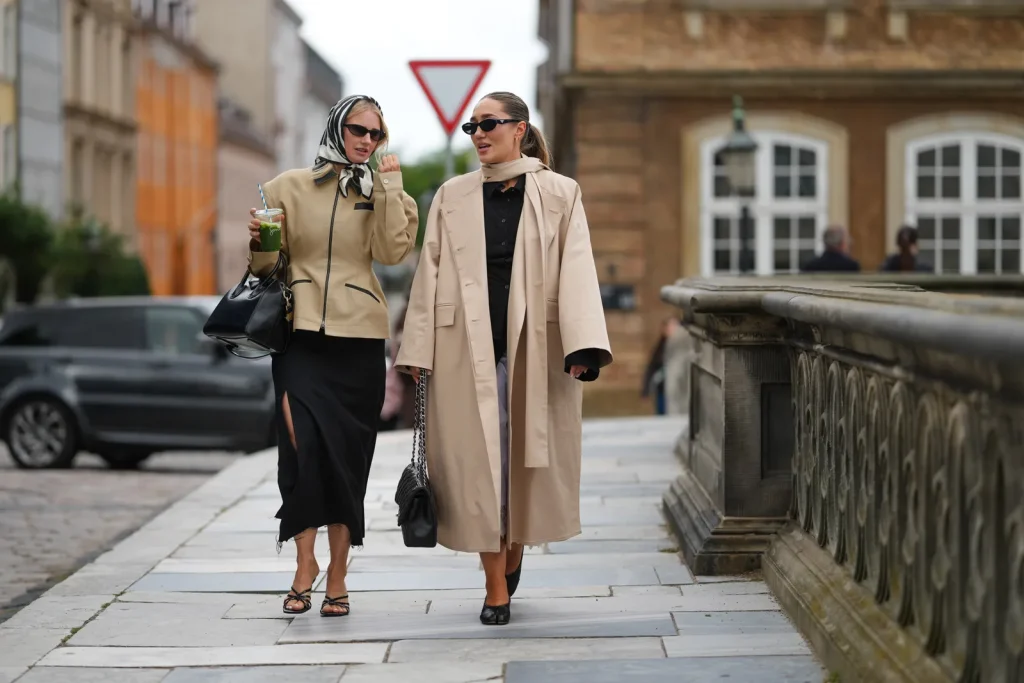
A great trench coat does not whisper. It edits the whole outfit before anyone notices the details. Sophisticated Seasonal Fashion works because the trench sits between ease and intention: sharp enough for a client lunch in Chicago, relaxed enough for a Saturday coffee run in Brooklyn, and practical enough for unpredictable spring rain in Seattle. American style has become less about looking dressed up all the time and more about looking ready without trying too hard. That is where the trench earns its place. It carries polish without stiffness, movement without mess, and structure without making you feel boxed in. For brands, stylists, and local fashion voices trying to stand out in crowded style conversations, smart fashion media visibility matters because the trench is no longer a background coat. It is the piece that can turn jeans, flats, trousers, or a knit dress into a full point of view.
Building Trench Coat Styling Around Proportion
The trench looks simple until the proportions go wrong. Too much length can swallow the frame, too little shape can feel flat, and too many layers can turn classic outerwear into costume. The best outfits start with a clean decision: what line do you want the coat to create when you walk into the room?
Choosing the Right Length for Your Frame
A knee-length trench works for most American wardrobes because it clears car seats, subway stairs, office chairs, and grocery runs without becoming fussy. It gives enough coverage to feel elegant, yet it still shows the shape of the outfit underneath. That balance matters more than most shoppers think.
A longer trench can look incredible, especially over wide-leg trousers or a slip skirt, but it needs confidence and clean shoes. Petite dressers can wear long coats too; the trick is avoiding heavy hems and oversized sleeves. The coat should move with you, not drag behind you like a stage curtain.
Mid-thigh cuts feel casual and easy, but they can shorten the body when paired with cropped pants. They work best with straight denim, slim trousers, or bare-leg looks in mild spring weather. The point is not height. The point is line.
Why the Belt Changes Everything
The belt is not an afterthought. It decides whether the trench feels relaxed, tailored, or unfinished. Tied loosely at the back, it creates shape without closing the coat, which is perfect for trench coat outfits built around denim, loafers, and a fine knit.
A front-tied belt can look sharp, but the knot must sit with purpose. A tight, centered bow often feels too precious for daily American dressing. A loose side knot looks more natural and gives the coat that “I know what I’m doing” quality without turning the outfit into a styling exercise.
Leaving the belt hanging can work only when the rest of the look is controlled. If the pants are slouchy, the sweater is oversized, and the bag is soft, the loose belt may push everything into clutter. One relaxed element looks intentional. Five relaxed elements look like laundry with confidence.
Trench Coat Styling for Sophisticated Seasonal Fashion
A trench earns its keep because it handles seasons that refuse to behave. March in New York can feel like three climates before lunch. April in Dallas may start cool and end warm. October in Boston can punish anyone who trusted the morning sun. Good seasonal layering solves that without adding bulk.
Spring Layers That Still Look Polished
Spring calls for lighter bases because the trench already adds visual weight. A cotton tee, crisp button-down, or fine ribbed sweater gives the coat room to breathe. The strongest spring outfits often rely on clean contrast: beige trench, white shirt, faded denim, and a loafer that looks broken in but not tired.
Color can enter softly here. Pale blue, olive, cream, and washed black all sit well under classic outerwear because they do not fight the coat’s authority. A bright scarf can work too, but it should feel like a choice, not a rescue mission for a plain outfit.
Rainy days need even more restraint. A trench over leggings and sneakers can look sharp when the top layer has structure and the bag is clean. The mistake is adding every weather item at once: chunky hoodie, giant tote, loud sneakers, baseball cap, umbrella, and then wondering why the trench lost its charm.
Fall Layering Without Looking Heavy
Fall gives the trench its best stage, but it also tempts people into overbuilding. Thick knits, wool scarves, leather bags, dark denim, boots, and coffee-colored coats can become one dense block. Texture needs space.
A better move is pairing the trench with one warm anchor. Try a merino turtleneck under straight trousers, or a thin cashmere crewneck with dark jeans. Seasonal layering works when each piece has a role: warmth, shape, contrast, or softness. Anything without a job should stay out.
Boots change the mood fast. Sleek ankle boots make trench coat outfits feel urban and work-ready, while rugged soles pull the look toward weekend practicality. Both can work in the USA because style here has to handle movement. The coat may be elegant, but the sidewalk still has puddles.
Making the Trench Work for American Daily Life
The trench can look perfect on a hanger and still fail in a normal day. Real style has to survive parking lots, school pickup, office air conditioning, airport terminals, and weather apps that lie. The goal is not a perfect outfit photo. The goal is a coat that keeps improving what you already wear.
Office Looks That Avoid Stiffness
A trench over tailoring can look powerful, but too much formality can age the outfit. A navy trouser, soft blouse, and trench feel current when the shoes bring ease. Loafers, slingbacks, or clean leather flats keep the look grounded.
For business casual offices, the trench can replace the blazer during commutes without lowering the tone. Wear it over a knit polo and tailored pants in Atlanta, or over a midi dress and boots in Washington, D.C. The coat gives the outfit a frame before anyone sees the smaller details.
The counterintuitive move is letting one piece be casual. A white tee under a suit trouser works because the trench bridges the gap. Classic outerwear has that rare power: it can make casual pieces behave and formal pieces relax.
Weekend Outfits That Still Feel Grown
Weekend dressing often collapses into comfort with no shape. The trench fixes that fast. A hoodie under a trench can look excellent when the hoodie is plain, the denim is clean, and the sneakers are not doing all the talking.
American weekends are practical, so the outfit has to move. Farmers markets, brunch, errands, short road trips, and city walks all reward layers that come on and off easily. A trench works better than a heavy coat because it adds presence without trapping you.
Denim matters here. Straight-leg jeans give trench coat outfits a steady base, while overly distressed jeans can fight the coat’s polish. A small rip is personality. A shredded leg under a refined trench often looks confused.
Color, Fabric, and Details That Decide the Final Mood
A trench coat carries more personality than people admit. Beige is not the only answer, and cotton is not the only fabric worth owning. The final mood comes from small decisions: finish, buttons, lapel width, sleeve shape, lining, and how the coat reacts when you move.
Picking Colors Beyond Basic Beige
Beige remains popular because it works across seasons and skin tones when the shade is right. Warm camel flatters many wardrobes built around denim, cream, navy, and brown. Cooler stone shades look cleaner with black, gray, white, and silver jewelry.
Black trenches feel sharper and more urban, especially in cities like Los Angeles, New York, and Philadelphia. They pair well with monochrome outfits, but they can read severe if the fabric has no movement. A black trench needs either softness underneath or a relaxed shoe to keep it human.
Olive deserves more credit. It gives classic outerwear a quieter edge and pairs well with blue jeans, tan boots, white tees, and striped knits. It also hides wear better than pale shades, which makes it useful for commuters who do not treat clothes like museum pieces.
Fabric Choices That Match the Weather
Cotton gabardine gives the trench its clean heritage feel. It holds shape, resists looking flimsy, and works across mild seasons. For many American climates, that is the safest buy because it handles spring and fall without becoming a special-occasion coat.
Lighter blends work for warmer states, especially where humidity makes heavy layers unbearable. A soft trench in Florida or Southern California should drape rather than armor the body. The coat still needs structure at the shoulders, though, or it starts looking like a robe with buttons.
Water-resistant finishes help, but no stylish trench should pretend to be full storm gear. Heavy rain calls for technical outerwear. The trench belongs to real life’s middle weather: mist, wind, cool mornings, late dinners, and days when the forecast keeps changing its mind.
Conclusion
A trench coat becomes powerful when you stop treating it like a safe purchase and start treating it like a styling tool. It can sharpen denim, loosen tailoring, frame a dress, soften sneakers, and give messy weather a sense of order. Sophisticated Seasonal Fashion is not about dressing beyond your life; it is about making your real life look better without adding friction. Start with the coat’s proportion, choose one clear mood, and let every layer support that decision. The best outfit is rarely the loudest one. It is the one that makes you stand taller before you even check the mirror. Choose the trench that fits your days, then build three repeatable looks around it this week.
Frequently Asked Questions
How do you style a trench coat for everyday outfits?
Start with clothes you already wear often, then use the trench to add shape. Straight jeans, a plain tee, loafers, and a beige or olive trench make an easy daily outfit that feels polished without looking staged.
What are the best trench coat outfits for work?
Pair a trench with tailored trousers, a fine knit, and loafers or ankle boots. Keep the colors calm and the layers slim. The coat should frame the outfit, not compete with your office clothes.
How should a trench coat fit on women?
The shoulders should sit cleanly, the sleeves should reach the wrist, and the belt should shape the waist without pulling. You need enough room for a sweater underneath, but the coat should not balloon when worn open.
Can men wear trench coats casually?
Men can wear trench coats casually with dark denim, chinos, crewneck sweaters, hoodies, or plain tees. The key is clean proportions. Avoid bulky layers underneath unless the trench has enough shoulder room and length to balance them.
What shoes look best with a trench coat?
Loafers, ankle boots, clean sneakers, ballet flats, and slingbacks all work well. The best choice depends on the outfit’s mood. Sleek shoes create polish, while simple sneakers make the trench feel more relaxed.
Which trench coat color is most versatile?
Camel, beige, stone, navy, black, and olive are the most wearable choices. Beige feels classic, black feels sharp, and olive works well for casual American wardrobes built around denim, boots, and neutral knits.
How do you wear seasonal layering with a trench coat?
Keep the base layers slim and purposeful. In spring, wear tees, shirts, or light sweaters. In fall, choose one warm layer such as a merino knit or turtleneck, then let the trench provide structure.
Is a trench coat worth buying for classic outerwear?
A trench coat is worth buying when it fits your climate and daily routine. It works across workdays, weekends, travel, and mild weather, making it one of the few coats that can look refined without feeling formal.
