

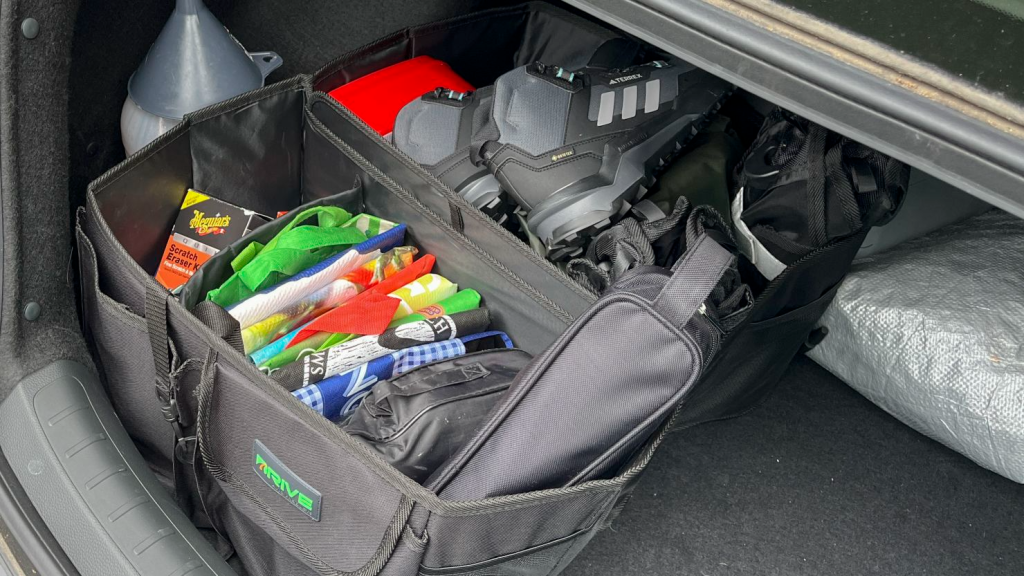
Travel gets messy faster than most people admit. One coffee run, one grocery stop, one soccer practice, and the cabin starts collecting receipts, cords, snack wrappers, sunglasses, water bottles, and mystery items nobody claims.
That is where Automotive Storage Solutions matter for American drivers who treat their vehicle as more than a way to get from one place to another. Your car becomes a weekday office, school shuttle, weekend trip base, errand partner, and sometimes a quiet place to breathe between obligations. Good storage is not about stuffing more bins into every corner. It is about giving each item a smart home so your drive feels calmer before you even start the engine. For drivers building smarter vehicle habits, trusted auto lifestyle resources like practical travel organization advice can help turn small cabin changes into better daily routines.
The goal is simple: carry what you need without letting your vehicle feel packed, noisy, or chaotic. A clean car does not happen by accident. It comes from systems that match how you actually live.
Automotive Storage Solutions That Fit Real American Driving
Most car clutter comes from pretending every trip is the same. It is not. A parent driving through suburban Dallas has different storage needs than a remote worker taking calls from a crossover in Denver, and both differ from a couple loading a compact car for a coastal weekend in Maine.
The right setup starts with your normal week, not a product list. You need to know what enters your vehicle, what stays there, what gets used daily, and what should never live in the cabin at all.
Why does your car collect clutter so quickly?
Your vehicle collects clutter because it catches the loose ends of your day. A jacket tossed into the back seat feels harmless until it joins mail, gym shoes, charging cables, fast-food napkins, and a half-empty tote bag from last week’s errands.
The problem grows because cars lack natural stopping points. At home, you have drawers, closets, hooks, shelves, and trash cans. In a vehicle, most people have cup holders and hope. That is not a system. That is a slow surrender.
A better approach begins with zones. The front seat area should hold only what supports the current drive. The rear seat should serve passengers, kids, pets, or easy-access items. The trunk or cargo area should carry backup supplies, larger gear, and items that do not need to be touched while driving.
How should you choose storage based on vehicle type?
A sedan needs different thinking than an SUV. In a sedan, trunk organization matters more because the cabin has less flexible space. A folding trunk organizer, small emergency pouch, and seat-back pocket can solve most daily problems without making the car feel stuffed.
SUVs and minivans invite overpacking because they have room. That extra room becomes dangerous when everything slides around. A cargo divider, lidded bin, and rear-seat organizer keep travel gear in place without turning the back area into a rolling closet.
Pickup owners face a separate issue. The bed can carry a lot, but not everything belongs exposed to weather or theft. Lockable bed boxes, under-seat bins, and waterproof totes bring order without sacrificing utility. Good storage respects the vehicle instead of fighting it.
Building a Smarter Cabin System for Daily Travel Gear
A clean cabin changes the mood of a drive. You stop digging for sunglasses at red lights, stop blaming the kids for missing chargers, and stop feeling like every errand adds one more layer of mess.
Organized travel essentials belong where hands can reach them safely, but not where they distract the driver. That line matters. Convenience should never compete with focus.
What belongs within arm’s reach?
Only drive-critical items deserve front-zone access. That means your phone mount, charging cable, sunglasses, toll pass, garage remote, tissues, and perhaps a small trash container. Anything else should earn its place.
The center console often becomes a junk drawer because people treat hidden space as free space. It is not. Use small pouches inside the console so loose items do not sink into a dark pile. One pouch can hold tech cords. Another can hold personal care items. A slim envelope can hold registration, insurance papers, and roadside cards.
The glove box should stay lean. Keep documents, a tire gauge, a small flashlight, and maybe a pair of disposable gloves. Avoid stuffing it with napkins, old manuals, random receipts, and expired coupons. A glove box that barely closes is not storage. It is postponed cleaning.
How can families keep the back seat under control?
Family vehicles need rules more than they need bigger organizers. Kids bring books, tablets, shoes, toys, water bottles, sports gear, and crumbs that seem to multiply when no one is watching. A seat-back organizer helps, but only if every pocket has a purpose.
Give each child a small travel pouch or bin. That one container holds their headphones, activity book, small toy, and snack. When it fills up, something comes out before something new goes in. This teaches limits without turning every car ride into a lecture.
Parents should avoid letting the floor become open storage. Floor clutter gets stepped on, kicked forward, and lost under seats. Use low-profile bins only when they lock into a consistent spot. The best family system is not the biggest one. It is the one everyone can reset in two minutes.
Trunk and Cargo Area Storage That Works on Long Trips
The trunk tells the truth about how prepared you are. It also tells the truth about what you refuse to decide. Old reusable bags, half-used washer fluid, sports chairs, jumper cables, and forgotten returns can all live back there for months unless you build a firm system.
A strong cargo setup separates daily items from trip items. It also keeps safety gear easy to reach because emergency supplies buried under beach towels are not emergency supplies at all.
Which items deserve permanent trunk space?
Permanent trunk items should solve problems that happen on the road. A compact emergency kit, jumper cables or a portable jump starter, tire inflator, first-aid kit, blanket, flashlight, water, and a basic tool pouch make sense for most American drivers.
Reusable shopping bags also deserve a fixed spot, especially for families who make multiple grocery runs each week. Put them in a narrow side bin instead of letting them float across the trunk. The same goes for umbrellas, rain ponchos, and seasonal items.
Avoid storing heavy loose objects in the cargo area. During a hard stop, those items move with force. A full water jug, toolbox, or sports weight can become a hazard. Use lidded containers, cargo nets, or tie-down points when carrying heavier gear.
How do you pack for road trips without overloading?
Road-trip packing fails when every person brings “one extra bag.” Those extra bags eat legroom, block rear visibility, and make every stop slower. Better packing starts with categories: clothing, food, tech, comfort, emergency, and activity items.
Keep overnight bags deeper in the cargo area and daily-use bags closer to the opening. Snacks, wipes, medicines, chargers, and jackets should be reachable without unloading half the vehicle at a gas station in Ohio or a rest stop outside Phoenix.
A collapsible crate helps during long drives because it can hold hotel items, picnic supplies, or wet gear, then fold down when empty. Soft-sided bags also work better than rigid suitcases in many vehicles because they fit odd cargo shapes. Road trips punish careless packing. Smart packing saves patience.
Storage Habits That Keep Your Vehicle Clean Longer
Products help, but habits decide whether the system survives. A trunk organizer cannot fix a driver who never removes old items. A seat-back pocket cannot help if every pocket becomes a dumping ground.
The best storage habit is a short reset after each drive. Not a deep clean. Not a weekend project. A thirty-second scan before leaving the vehicle keeps small messes from becoming a full Saturday problem.
What is the fastest reset routine after every drive?
Start with your hands. Take out whatever came in with you: cups, wrappers, mail, work bags, kids’ items, jackets, and receipts. The car should not become a waiting room for unfinished decisions.
Then check the front zone. Put the charging cable back, close the console pouch, return sunglasses to their spot, and empty the small trash container if needed. This sounds small because it is. That is why it works.
Once a week, do a deeper reset. Open the trunk, remove anything that does not belong, refill emergency supplies if needed, and wipe the main contact points. Five minutes every week beats one angry hour every month.
How can seasonal storage prevent travel stress?
American drivers deal with different seasonal demands depending on where they live. A winter driver in Minnesota needs gloves, scraper tools, a blanket, and traction aids. A summer driver in Arizona needs sunshades, water, cooling towels, and heat-safe storage choices.
Do not keep every season in the car all year. That bloats the system and makes useful items harder to find. Rotate supplies at the start of each season. Store off-season gear at home in one labeled tote so the switch feels easy.
Seasonal storage also protects your vehicle. Sunscreen, aerosol cans, electronics, and certain snacks do not belong in hot cabins for long periods. Cold weather can damage liquids and drain batteries. Good organization pays attention to climate, not just neatness.
Choosing Organizers Without Buying More Clutter
Buying storage products can become its own kind of mess. People see a clever organizer online, order it, and then realize it blocks a seat latch, rattles on rough roads, or takes more room than the items it stores.
Start with the problem before buying the container. Lost chargers need a tech pouch. Rolling groceries need a trunk crate. Kid clutter needs a personal seat-back system. Loose emergency tools need a secured bin. One problem, one solution.
What features make a car organizer worth buying?
A good organizer stays in place. Look for non-slip bases, straps, buckles, Velcro panels, or tie-down compatibility. If it slides every time you turn, it will annoy you until you stop using it.
Material matters too. Trunk organizers should handle weight, moisture, and rough handling. Seat organizers should clean easily because kids and snacks are not gentle. Console dividers should be small enough to help, not so large that they steal space.
Foldability is useful when your needs change. A collapsible trunk organizer can hold groceries during the week and disappear when you need cargo room. Rigid systems work best for drivers who carry the same items all the time, such as tools, roadside gear, or sports equipment.
When should you avoid adding another storage product?
Avoid adding storage when the real issue is too much stuff. More compartments can hide clutter instead of solving it. A vehicle can look tidy for a while, then become impossible to manage because every pocket is full.
Ask one blunt question before buying anything: does this item reduce decisions or create another place to forget things? If the answer is unclear, skip it for now.
The cleanest vehicles often use fewer products than messy ones. They rely on tight categories, fixed locations, and regular removal. That is the quiet secret. Organization is less about owning more containers and more about refusing to carry chaos.
Conclusion
Your vehicle should support your day, not absorb every loose object your life throws at it. The more time Americans spend commuting, road-tripping, school-running, grocery-hauling, and working between places, the more cabin order starts to feel like personal sanity.
Strong Automotive Storage Solutions do more than make a car look clean. They reduce friction before it starts. You find what you need, protect what matters, keep passengers comfortable, and make each trip feel less crowded. The best system is not fancy. It is honest about your routine, your passengers, your climate, and your weak spots.
Start with one zone this week. Clean the console. Fix the trunk. Give the back seat rules. Build from there, and let every storage choice earn its space. A better drive begins before the wheels move.
Frequently Asked Questions
What are the best car storage ideas for daily commuters?
Daily commuters need simple front-cabin control. Use a small console pouch for cords, a phone mount, a slim trash bin, and a document holder for essentials. Keep work bags off the passenger seat when possible so the cabin stays open and calmer.
How do I organize travel essentials in a small car?
Small cars work best with soft pouches, seat-back storage, compact trunk bins, and strict item limits. Avoid bulky organizers that steal usable space. Keep only daily-use items in the cabin and move backup supplies to the trunk.
What should I keep in my car for road trips?
Carry a first-aid kit, phone chargers, water, snacks, flashlight, blanket, jumper cables or jump starter, tire inflator, wipes, medicines, and paper documents. Keep urgent items easy to reach, not buried under luggage.
Are trunk organizers worth it for families?
Trunk organizers help families when they separate groceries, sports gear, emergency supplies, and school items. Choose one with strong sides and secure placement. A weak organizer that collapses under daily use becomes another mess to manage.
How can I stop my kids from making the car messy?
Give each child one small pouch or bin for their own items. Set a rule that whatever they bring in must leave with them. Keep wipes and a trash bag nearby, but do not let the back seat become a toy shelf.
What is the safest way to store heavy items in a vehicle?
Heavy items should stay low, secured, and away from passengers. Use cargo nets, tie-downs, lidded bins, or locked compartments. Loose heavy objects can move during sudden braking, so never leave tools, equipment, or large bottles unsecured.
How often should I clean out my car storage areas?
Do a quick reset after each drive and a deeper check once a week. Monthly, empty the trunk and console fully so hidden clutter does not build up. Short routines prevent the need for long cleanouts.
What car organizer should I buy first?
Start with the area causing the most stress. For most drivers, that means a trunk organizer or center-console pouch. Buy one item that solves one clear problem, then adjust after you see how your routine changes.