
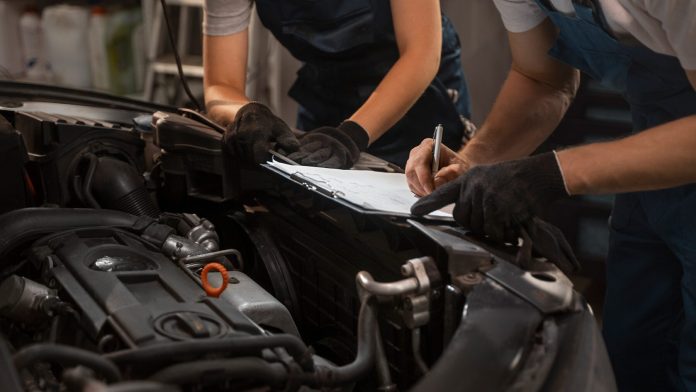
A healthy engine rarely fails without warning. It complains first through rough starts, lazy acceleration, higher fuel use, odd smells, or that faint hesitation you feel before the car finally responds. Fuel System Maintenance matters because the fuel side of the engine does not forgive neglect for long. Dirt, moisture, weak pressure, old filters, and tired injectors all chip away at performance before they turn into expensive repair bills.
For many U.S. drivers, the problem is not abuse. It is routine life. Short commutes, stop-and-go traffic, seasonal fuel changes, long idle times, and gas stations with uneven fuel quality all shape how clean and steady the system stays. A car can look fine in the driveway and still run with poor fuel delivery every morning. That is why smart ownership means paying attention before the warning lights start shouting.
Drivers who care about long-term vehicle value often follow the same mindset used in strong maintenance planning and trusted automotive resources like reliable vehicle ownership guidance: small checks done on time beat big repairs done in panic. The fuel system rewards that discipline.
Fuel System Maintenance Starts With Clean Fuel Delivery
Fuel delivery sounds simple until one weak part throws the whole engine off balance. Gas leaves the tank, passes through the pump and filter, reaches the injectors, and enters the engine in a fine spray. When that path stays clean and steady, engine efficiency feels natural. When it gets restricted, the engine works harder to do the same job.
The tricky part is that fuel problems often hide behind other symptoms. A driver may blame spark plugs, transmission lag, or “old age” when the real issue sits inside the fuel path. That delay costs money because the system keeps straining while the owner keeps guessing.
Why Clean Fuel Flow Changes Daily Driving
Clean fuel flow gives the engine the right amount of fuel at the right time. That sounds technical, but you feel it in ordinary moments: pulling into traffic, climbing a hill, starting on a cold morning, or keeping speed steady on the highway. When flow drops, the car loses that crisp response.
A clogged filter or dirty injector can make the engine act tired even when the engine itself is still strong. The car may still run, but it asks for more throttle, burns more fuel, and feels dull in places where it used to move easily. That is the quiet tax of poor maintenance.
Good fuel filter replacement habits protect that flow before restriction becomes a problem. Many drivers wait until the car struggles, but by then the pump may already be working harder than it should. A filter is cheaper than a pump. It always has been.
The Hidden Cost of Ignoring Fuel Quality
Fuel quality varies more than people like to admit. Most modern gasoline meets legal standards, but storage tanks, condensation, old station equipment, and low-turnover pumps can still introduce contamination. One bad tank does not always destroy anything, but repeated exposure leaves residue behind.
Water is another quiet enemy. It can enter through condensation, especially when a vehicle sits with a low tank through temperature swings. Over time, moisture can encourage corrosion and rough running. The driver may only notice a shaky idle or a start that feels heavier than usual.
Fuel injector cleaning helps when deposits begin to disturb the spray pattern. The key is timing. Cleaning works best as prevention or early correction, not as a miracle cure after months of misfires and neglect. Once injectors become badly clogged or damaged, cleaning may not be enough.
Protecting the Fuel Pump Before It Fails
The fuel pump lives a hard life. It sits in or near the tank, pushes fuel under pressure, and does its job thousands of times without praise. Most drivers only learn about it when the car refuses to start. That is a rough introduction.
Fuel pump care begins with understanding what stresses it. Heat, low fuel levels, clogged filters, dirty fuel, and constant pressure demands all shorten its life. The pump does not need pampering, but it does need conditions that let it work without fighting the rest of the system.
Why Running Near Empty Hurts More Than You Think
Running the tank low now and then will not ruin a car overnight. Still, making it a habit creates unnecessary strain. In many vehicles, fuel helps cool and protect the pump. When the tank stays near empty, the pump may run hotter and pick up more sediment from the bottom of the tank.
That sediment is the part many drivers ignore. A tank collects tiny particles over years of filling, driving, parking, and refilling. When fuel level drops, the pump has a better chance of pulling debris toward the pickup. The filter catches much of it, but that filter then becomes the next restriction.
A practical habit works better than fear. Keep at least a quarter tank when possible, especially during summer heat, winter weather, or long highway trips. It gives the pump an easier environment and gives you room to handle delays without stress.
How Weak Pressure Steals Engine Efficiency
A weak pump does not always fail at once. Sometimes it sends enough fuel for easy driving but struggles under load. That means the car may idle fine, then stumble during acceleration or feel flat when merging onto a freeway. This is where engine efficiency drops in a way drivers can feel but may not understand.
Low pressure can also confuse the diagnostic process. The oxygen sensors, engine computer, and ignition system may all react to poor combustion, but they are reacting to a fuel problem upstream. Replacing random parts without checking pressure turns repair into guesswork.
Fuel pump care includes listening for changes. A louder-than-usual whine from the rear of the car, repeated hard starts, sudden hesitation, or power loss under load deserves attention. Those signs do not always mean the pump is dying, but they do mean the system should be tested before the car leaves you stranded.
Filters, Injectors, and the Small Parts That Decide Performance
Big engine problems often begin with small restrictions. A filter that cannot pass enough fuel, an injector with a poor spray pattern, or a pressure regulator that no longer holds steady can make a healthy engine feel worn out. The fuel system is not one part. It is a chain.
The best maintenance mindset treats small parts as performance protectors, not afterthoughts. You do not replace them because a calendar says so blindly. You replace or service them because they guard parts that cost far more.
When Fuel Filter Replacement Becomes Urgent
Some vehicles have serviceable fuel filters. Others use filters built into the pump module or tank assembly. That difference matters because the maintenance approach changes by model. Owners should check the manual instead of assuming every car follows the same schedule.
Fuel filter replacement becomes urgent when restriction symptoms appear. Hard starting, hesitation, sputtering at higher speeds, poor acceleration, or a whining pump can all point toward flow trouble. A restricted filter forces the pump to push harder, which increases heat and wear.
A smart shop will not replace a filter based on suspicion alone if testing is available. Fuel pressure and volume checks reveal whether the system can deliver what the engine needs. That kind of testing saves money because it separates a real restriction from a bad guess.
Why Fuel Injector Cleaning Is Not Magic
Fuel injector cleaning has a place, but it should not be sold like a cure for every rough idle. Injectors can get dirty from varnish, carbon, and fuel residue. When that happens, the spray can turn uneven, and combustion suffers. The engine may shake, hesitate, or lose smoothness.
Cleaning works best when the injectors are dirty but still mechanically sound. A professional service can sometimes restore spray quality better than a bottle poured into the tank, though quality fuel additives can help with mild deposits. The right choice depends on symptoms, mileage, and how the vehicle has been driven.
The honest truth is simple: cleaning cannot repair a failing injector coil, cracked body, wiring fault, or fuel pressure issue. That is why diagnosis matters. Spend money on the cause, not on the most convenient service menu item.
Building a Fuel System Routine That Actually Works
A useful routine fits real life. Nobody wants a maintenance plan that feels like homework every weekend. The best plan is simple enough to follow and strong enough to catch problems early. That balance matters because neglected fuel issues usually become expensive at the worst time.
Drivers in the U.S. deal with different conditions depending on region and usage. A commuter in Phoenix faces heat. A driver in Minnesota faces winter starts. A family in suburban traffic faces constant idle time and short trips. Each pattern shapes how the fuel system ages.
What to Check During Regular Service Visits
Every oil change is a chance to notice fuel system clues. A good technician can check for leaks, fuel odors, damaged lines, corrosion, loose caps, stored codes, and unusual pump noise. None of these checks require drama. They require attention.
You should also track fuel economy by habit, not obsession. A sudden drop that cannot be explained by weather, tires, cargo, or driving style deserves a closer look. Fuel system problems often show up as a pattern before they become a breakdown.
Keep records of fuel filter replacement, injector service, pump repairs, and related diagnostics. Records help you avoid repeated work, prove care during resale, and give technicians a cleaner repair history. A car with clear records is easier to diagnose and easier to trust.
How Better Fuel Habits Protect Long-Term Reliability
Better fuel habits are not complicated. Buy fuel from busy stations, avoid filling while a tanker truck is actively refilling underground tanks, keep the cap sealed, and do not make near-empty driving your normal routine. These habits sound small because they are. That is why they work.
Long trips also deserve a little planning. Fill up before remote stretches, especially in extreme heat or cold. A pump that is already weak may reveal itself under highway load, and poor fuel planning turns a small warning into a roadside problem.
Fuel System Maintenance becomes easier when you stop treating it like a repair category and start treating it like engine protection. Clean fuel, steady pressure, timely service, and early testing keep the engine honest. Do the small things before the car makes them big.
Conclusion
A reliable engine is not built by luck. It is protected by the ordinary choices most drivers barely think about: where they buy gas, how low they run the tank, whether they replace restricted filters, and how quickly they respond when the car starts acting different.
Fuel System Maintenance gives you control over problems that usually feel sudden. A failing pump, clogged injector, or restricted filter may seem like it appeared overnight, but most of the time it was building quietly. The driver who notices early saves money, protects performance, and avoids the kind of breakdown that ruins an entire week.
The smartest move is not to wait for a warning light. Track your fuel economy, listen to cold starts, pay attention to hesitation, and ask for proper testing when symptoms appear. Give the fuel system clean flow and steady pressure, and the engine has a much better chance to stay strong. Start with one inspection at your next service visit, because prevention always beats a tow truck.
Frequently Asked Questions
How often should fuel system maintenance be done on a car?
Most drivers should review the fuel system during routine service visits and follow the vehicle manual for filter or injector guidance. Driving habits matter. Short trips, dusty areas, poor fuel quality, and high mileage can make earlier inspection a smart move.
What are the first signs of a dirty fuel system?
Common signs include rough idle, hard starting, hesitation, weak acceleration, lower gas mileage, and occasional sputtering. These symptoms can also come from ignition or sensor problems, so proper testing matters before replacing parts.
Does fuel injector cleaning improve gas mileage?
It can improve gas mileage when dirty injectors are causing poor spray patterns or uneven combustion. It will not help much if the real issue is low tire pressure, bad sensors, weak fuel pressure, or worn ignition parts.
Is fuel filter replacement still needed on modern vehicles?
Many modern vehicles still need filter attention, but the design varies. Some have replaceable external filters, while others place the filter inside the tank module. The owner’s manual or a trusted repair database gives the correct service approach.
Can bad gasoline damage the fuel system?
Bad gasoline can cause rough running, deposits, moisture issues, and clogged filters. One poor fill-up may only cause temporary symptoms, but repeated low-quality fuel can leave residue and stress injectors, pumps, and filters over time.
Why does my car hesitate when accelerating?
Hesitation can come from restricted fuel flow, dirty injectors, weak pump pressure, ignition faults, air intake problems, or sensor errors. A fuel pressure test and scan tool data help narrow the cause without wasting money on random parts.
Should I keep my gas tank above a quarter full?
Keeping the tank above a quarter full is a smart habit. It helps reduce pump strain, lowers the chance of pulling sediment from the bottom of the tank, and gives you a safer buffer during traffic delays or bad weather.
Are fuel system cleaners safe to use?
Quality fuel system cleaners can be safe when used as directed and matched to the vehicle. Overusing additives or choosing the wrong product can waste money or create problems. For severe symptoms, professional diagnosis beats guessing with bottles.

