
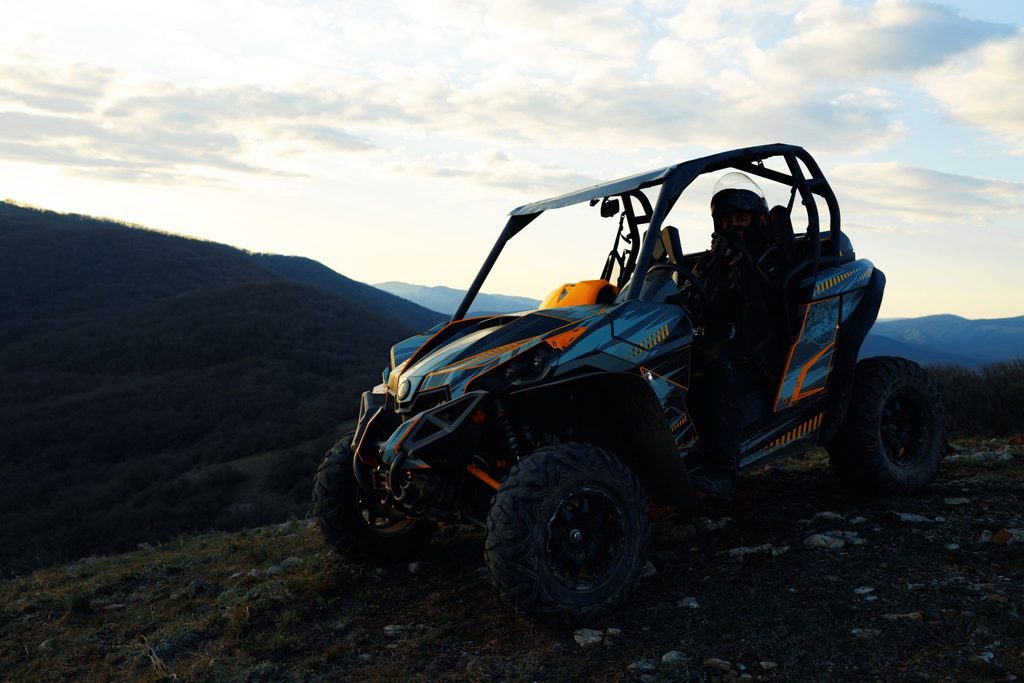
Off-road UTVs are designed for trails, not traffic. However, with the right modifications, you can drive them on public roads as well. To do that, you need a UTV road legal kit, which adds equipment to get a side-by-side registered for public roads.
Here are the important things to consider before buying the kit.
UTVs Don’t Become Automatically Street Legal
UTVs, even with headlights and seatbelts from the factory, cannot be considered legal. Street legality depends on local and state laws, which can differ from one region to another.
So, before you invest in a utv road legal kit, you need to check your state’s requirements. Without doing this research, do not automatically think that your vehicle is ready for public roads.
Understand What’s Typically Included
The best part about this legal kit is that it includes everything most states require in a single package. The goods included are turn signals, brake lights, horns, mirrors, a license plate, and a plate light.
If you try to source these items individually and install them one by one, it might be challenging for you.
Lighting Requirements Are the Biggest Upgrade
One of the most important upgrades for a side-by-side vehicle is the lights. Lighting is also the most extensive part of a road legal kit. It usually includes brake lights, headlights, taillights, and, in some states, front and rear turn signals. Some states may even require you to have hazard lights as well.
These lights need to be hardwired rather than temporary or magnetic. In addition, they should be bright enough for proper road visibility and can be controlled from the driver’s seat.
Mirrors and Visibility Equipment
Another important requirement is mirrors. Most states require at least one rearview mirror, and some also require one or two side-view mirrors.
One thing you need to remember is that a UTV does not come with a mirror setup from the factory, unlike a car or other vehicles. This is why it is an added component in a road legal kit and is not a built-in component.
Horn Requirements
On public roads, your vehicle must have a horn. Its sound should meet your state’s minimum decibel range. It is usually 80 to 150 decibels, loud enough to be heard by nearby vehicles and pedestrians.
It should also be controlled by the driver with a switch, which should be integrated into a steering column multifunction lever or a dedicated dashboard rocker switch.
Additional Equipment That May Be Required
Apart from the core items, such as a horn, mirrors, and lights, there are additional items required by some states. This additional equipment might include seatbelts, roof or rollover protection, a windshield, reflectors, and daytime running lights.
Keep in mind that all these additional requirements differ from one location to another. This is why it is extremely important to check your specific state’s regulations rather than thinking that a single kit will cover everything needed everywhere.
Registration, Insurance, and Paperwork Matter
In some states, road legal kits are not enough. Depending on where you live, you might have to get a registered license plate for your vehicle as well as applicable insurance. Moreover, you may also need to pass a safety inspection to start taking your vehicle on public roads.