
Tennis Practice Routines for Stronger Match Consistency
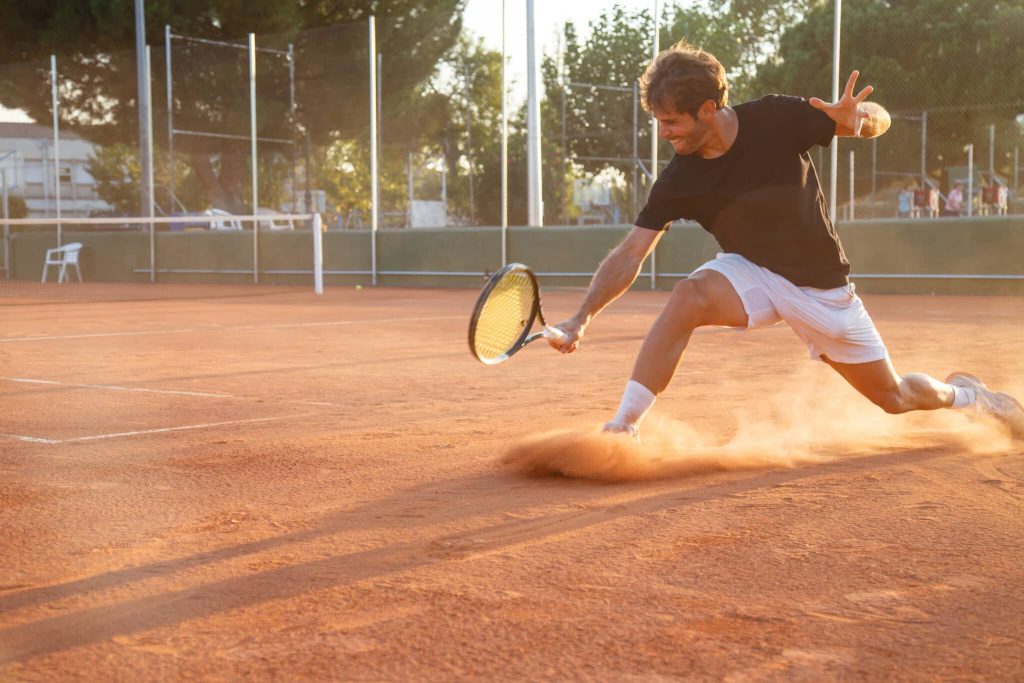
Bad tennis rarely starts with one wild shot. It usually starts with a tiny leak: a lazy split step, a rushed second serve, a forehand hit from the heels, or a return swung like a highlight reel instead of a job. That is why tennis practice routines matter so much for players across the USA, from high school courts in Texas to weekend leagues in Ohio. The goal is not to look sharp for ten minutes during warmup. The goal is to build a game that holds up when the score gets tight, the sun sits low, and your legs start asking hard questions. Good practice gives your mind fewer decisions to panic over. It trains patterns until they feel normal. For players building their game through coaching, local clubs, or helpful sports resources like athletic performance guidance, the smartest shift is simple: stop practicing only what feels fun and start practicing what survives pressure.
Tennis Practice Routines That Build a Reliable Base
A steady tennis game starts before the fancy shots arrive. Many players chase harder forehands, bigger serves, and sharper angles while ignoring the quiet skills that keep points alive. That mistake shows up fast in matches because pressure exposes the parts of your game you skipped in training.
Start Every Session With Controlled Rhythm
A useful warmup is not a casual rally where both players slap balls down the middle and hope timing appears. The first ten minutes should teach your body the pace, bounce, and spacing of that day. Courts in Florida heat up differently than indoor courts in Michigan, and the ball tells you that if you listen early.
Begin with cross-court rallying at medium speed. Aim five feet inside each sideline and three feet above the net. The target sounds safe, but it builds margin. Players who train with margin can swing freely later because their normal ball already clears trouble.
After five minutes, shift to direction control. One player hits only cross-court while the other goes down the line, then switch. This small pattern trains adjustment without turning the warmup into chaos. It also shows whether your feet are awake or only your arm is working.
Use Tennis Training Drills That Punish Lazy Feet
Good strokes fall apart when footwork gets sloppy. A player may blame the racket, strings, wind, or timing, but the real issue often starts below the waist. If your last two steps are late, your cleanest swing becomes a rescue attempt.
One strong drill is the recovery cone drill. Place a cone near the center mark behind the baseline. Hit one ball from the forehand corner, recover around the cone, then hit from the backhand corner. The shot quality matters, but the recovery path matters more.
This is where tennis training drills should feel slightly uncomfortable. Not painful. Not reckless. Slightly uncomfortable. Match tennis is full of imperfect spacing, and your practice should teach you to hit balanced balls after movement, not only when the feed lands politely in your strike zone.
Turning Repetition Into Match Play Consistency
A player can hit 200 good balls in practice and still lose because repetition alone does not equal match toughness. The missing piece is consequence. When practice adds score, targets, and recovery rules, your brain learns to protect quality while the point has weight.
Practice Patterns You Can Trust Under Pressure
Most club players lose points because they improvise too much. They try to invent a winner from a neutral ball or change direction from a poor position. Pattern practice removes that guesswork. It gives you a default answer when the score says 30-30 and your hand gets tight.
Try the three-ball pattern. Ball one goes cross-court deep. Ball two goes cross-court heavier. Ball three attacks either short ball or open space. This trains patience without making you passive. You are still building toward offense, but you are earning the chance.
For a real-world example, think about a USTA 4.0 player serving at 4-5 in a second set. The player who has rehearsed a serve-plus-one pattern does not need magic. Serve wide, hit the next forehand behind the opponent, recover. Plain tennis wins more matches than panic tennis.
Score Your Drills So Focus Cannot Drift
Practice changes when misses cost something. A target drill with no scoring becomes exercise. A target drill with scoring becomes rehearsal. The difference is huge because matches do not reward beautiful swings unless the ball lands where it should.
Use a simple race-to-11 system. You earn one point for a deep ball past the service line. You lose one point for an unforced miss. Play until you reach 11, then switch roles or directions. This creates pressure without turning practice into a full match.
Strong match play consistency grows when players learn to reset after one bad ball. Misses happen. The bigger issue is whether the next shot becomes emotional. Scored drills teach you to treat mistakes like information, not personal insults.
Serve, Return, and First-Ball Discipline
Many tennis players spend most of practice rallying, then wonder why matches feel different. Matches begin with serves and returns. The first two shots shape the whole point, yet they often get the least thoughtful training. That is backward.
Build Serve and Return Practice Around Real Scores
A serve basket can help, but only if you avoid mindless hitting. Standing at the baseline and blasting 80 serves with no target teaches your arm to swing, not your game to hold. Real serving requires location, recovery, and a plan for the next ball.
Break your service work into score blocks. Hit serves at 0-0, 30-30, and break point down. Pick one target before each serve. After contact, recover and shadow the first groundstroke. That final step matters because many servers admire the serve instead of preparing for the reply.
Good serve and return practice also includes second serves under stress. Give yourself one serve only and play the point out. This drill feels harsh at first, but it teaches honesty. A second serve that looks fine in practice may shrink once returners step inside the baseline.
Treat the Return Like a Controlled Start, Not a Winner Attempt
The return is not always an attacking shot. Against a weak serve, yes, you can step in. Against a strong first serve, the return is often a block, chip, or compact drive that starts the point on fair terms. That sounds modest until you realize how many matches turn on missed returns.
Train returns with three intentions: deep middle, cross-court, and low at the server’s feet. Rotate each target every five balls. This gives your return game options instead of one nervous swing. A player in a Saturday ladder match in California may not need a spectacular backhand return, but they do need one that lands at 5-5.
The counterintuitive truth is that returning safer can make you more aggressive later. When opponents stop getting free points, they feel pressure to serve closer to the lines. That pressure creates double faults, short second serves, and attackable balls.
Conditioning the Mind and Body for Longer Points
Tennis fitness is not only about running more. A long match asks for repeated short bursts, balanced recovery, clear breathing, and emotional control after ugly points. You do not need to train like a pro to improve, but you do need conditioning that looks like tennis.
Train Footwork for Tennis With Short, Sharp Bursts
Long jogging has its place, but it does not copy the stop-start nature of tennis. Points are built from split steps, lateral pushes, small adjustment steps, and fast recovery. If your training ignores that rhythm, your legs may feel fit yet still fail during points.
A simple court sprint drill works well. Start at the center mark. Sprint to the singles sideline, shuffle back, sprint to the other sideline, then recover behind the baseline. Rest long enough to keep quality high. Sloppy speed teaches sloppy movement.
Specific footwork for tennis should also include deceleration. Many players can reach the ball but cannot stop well enough to hit cleanly. Practice planting outside the ball, loading the outside leg, and recovering without crossing your feet. That small detail saves strokes late in matches.
Build Mental Recovery Between Points
Players talk about confidence as if it arrives before the match. Often, it is built between points. The player who can breathe, choose a pattern, and release the last mistake owns a hidden advantage. The opponent may hit harder, but harder does not matter if their mind keeps dragging errors into the next rally.
Create a between-point routine. Turn away from the net. Take one slow breath. Touch the strings or adjust your grip. Name the next target in your head. Then step back to the line. Keep it short enough to use every point.
This habit supports match play consistency because it prevents emotional stacking. One double fault stays one double fault. One missed volley stays one missed volley. Matches are rarely lost by single errors; they are lost when one error becomes three because the player never reset.
Frequently Asked Questions
What are the best tennis training drills for beginners?
Beginners should focus on cross-court rallies, deep-ball targets, basic serve placement, and recovery footwork. These drills build control before power. A beginner who learns spacing, balance, and safe targets early will improve faster than one who only practices hard shots.
How often should I practice tennis for better match results?
Three focused sessions per week can work well for many recreational players. One session should target strokes, one should target serves and returns, and one should include scored point play. Quality matters more than long hours with no clear purpose.
How can I improve serve and return practice alone?
Use cones, targets, and score blocks. Hit serves to specific zones, then shadow the first shot after recovery. For returns, use a ball machine or partner feeds when possible. The key is training compact swings and clear targets, not random contact.
Why do I play worse in matches than practice?
Matches add score pressure, fatigue, opponent patterns, and emotional swings. Practice often feels easier because there are fewer consequences. Add scoring, targets, and point-based drills to training so your mind learns to handle pressure before match day.
What is the fastest way to improve footwork for tennis?
Train the first step, recovery step, and final adjustment steps. Short lateral drills, cone recovery work, and split-step timing help more than long running alone. Clean footwork puts your body behind the ball, which makes every stroke more stable.
Should tennis players practice with a ball machine?
A ball machine can help when used with purpose. Set targets, change locations, and include recovery after every shot. Avoid standing still and hitting the same ball for too long because matches demand movement, adjustment, and decision-making.
How do I build confidence before a tennis match?
Confidence grows from repeatable patterns. Practice your safest serve target, your most reliable return, and your favorite rally pattern. Before the match, focus on those choices instead of worrying about the full result. Clear plans calm the body.
What should a one-hour tennis practice include?
A strong one-hour session can include 10 minutes of rhythm hitting, 15 minutes of movement-based groundstrokes, 15 minutes of serve and return work, and 20 minutes of scored points. Keep the pace active, but protect shot quality throughout.