

By Farmers Equipment Team
Table of Contents
- Introduction
- What a mini backhoe is
- Why small farms use it
- Main farm applications
- How to choose the right unit
- Common buying mistakes
- Mini backhoe vs large excavator
- Practical checklist
- Conclusion
Introduction
Small farms deal with constant ground work. Tasks like digging, drainage, fencing, and irrigation take time and effort.
Manual labor slows progress. Large machines cost too much and do not suit small spaces.
A mini backhoe solves this gap. It supports digging work in a compact and controlled way.
What a mini backhoe is
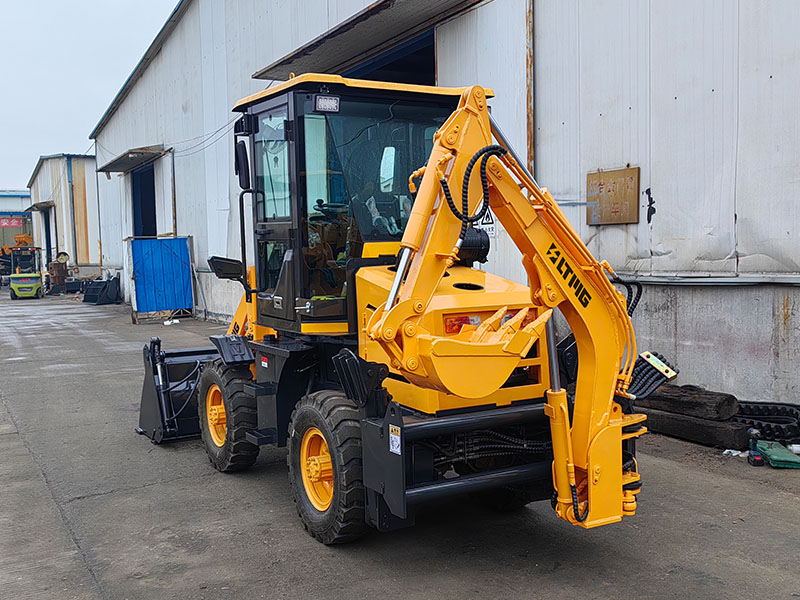
A mini backhoe is a compact digging tool used for small excavation tasks. It connects to a tractor or operates as a small machine unit.
It handles controlled digging in areas where large equipment cannot operate safely or efficiently.
Why small farms use it
Small farms need equipment that is flexible and cost-efficient. A mini backhoe provides that balance.
Key reasons farmers use it:
- Works in tight spaces
- Lower fuel consumption
- Easier maintenance
- Multi-task capability
- Lower operating cost
It replaces slow manual digging and improves productivity.
Main farm applications
A mini backhoe supports many agricultural tasks, including:
- Drainage trench digging
- Irrigation pipe installation
- Fence post installation
- Tree root removal
- Small foundation work
- Land leveling and reshaping
It supports both daily and seasonal farm work.
How to choose the right unit
Choosing the right mini backhoe affects long-term performance.
Focus on:
Digging depth
Deeper reach improves flexibility for drainage and construction work.
Hydraulic strength
Stronger hydraulics improve speed and control in tough soil conditions.
Compatibility
The unit must match your tractor or mounting system.
Build quality
Strong steel frame improves durability under repeated use.
Common buying mistakes
Many buyers choose based on price only. This leads to problems later.
Avoid:
- Low-power machines
- Ignoring compatibility
- No spare parts availability
- Not checking digging depth
These mistakes increase long-term costs.
Mini backhoe vs large excavator
Mini backhoe:
- Lower cost
- Simple operation
- Suitable for farm use
- Lower maintenance
Large excavator:
- High cost
- Complex operation
- Built for construction sites
- Not efficient for small farms
Most farms do not need full-size excavators.
Practical checklist
Before buying, confirm:
- Tractor compatibility
- Hydraulic system requirements
- Digging depth capacity
- Frame strength
- Spare parts support
Equipment reference
Mini backhoe product example:
https://farmersequipment.org/product/mini-backhoe-for-sale/
Farm equipment guide:
https://farmersequipment.org/
Conclusion
A mini backhoe improves efficiency on small farms. It reduces manual digging, supports multiple tasks, and improves productivity.
Choosing the right model ensures reliable performance across different farm operations throughout the year.
