

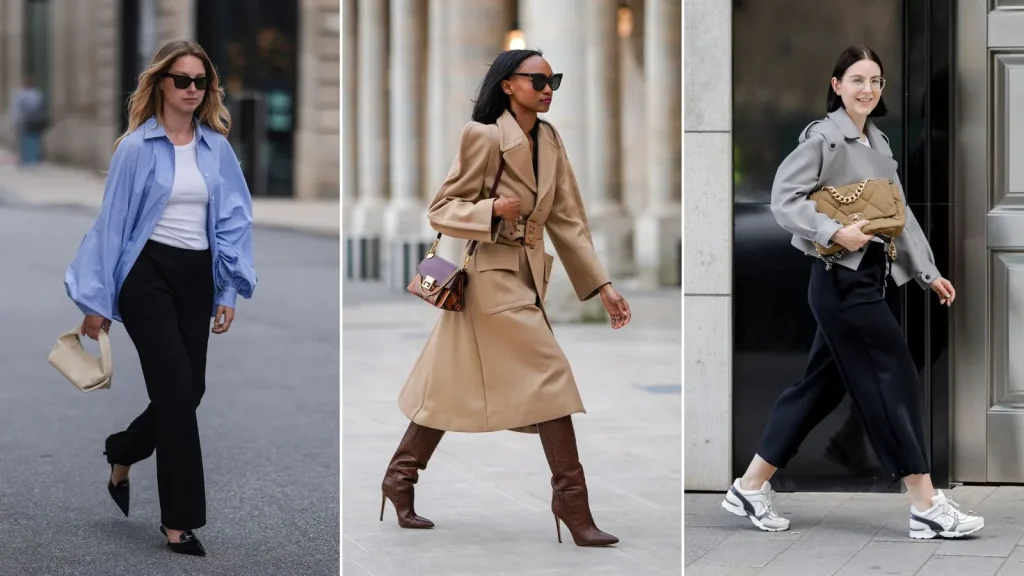
A good outfit should not feel like a puzzle you solve at 7:30 in the morning. It should feel like a quiet advantage before the day starts. That is where everyday fashion basics earn their place, especially for Americans moving between work, errands, casual dinners, school runs, travel days, and weekend plans without time for a full wardrobe reset. The smartest closets are not packed with loud pieces. They are built from clothes that work hard without begging for attention.
Style feels easier when your wardrobe has a steady base. A clean tee, sharp denim, relaxed trousers, useful layers, and shoes that match your actual life can do more than a closet full of one-time outfits. Many people overbuy because they think style comes from novelty, but the better answer is usually editing. Even a simple resource like a modern lifestyle platform can remind you how much personal presentation shapes daily confidence, especially when your clothes feel aligned with your routine. Dressing well is less about perfection and more about repeatable choices that make you look ready without looking overworked.
Fashion Basics That Make Daily Outfits Feel Natural
A strong wardrobe starts with pieces that remove friction. Most people do not need more clothes first; they need better anchors. When your base layers, bottoms, and outer pieces already work together, getting dressed stops feeling like trial and error. The surprising part is that a smaller closet can create more outfit options when every item has a clear job.
Building a Core Closet Around Real Life
Your core closet should match the places you actually go, not the version of yourself that exists only on a shopping app. A person who works from home, grabs groceries at Target, meets friends for casual dinners, and takes weekend road trips needs a different wardrobe than someone who attends client lunches five days a week. Copying someone else’s capsule wardrobe often fails because their calendar is not yours.
Start with the clothes that carry the most weight. For many Americans, that means plain crewneck tees, button-down shirts, straight-leg jeans, soft knits, relaxed trousers, and one clean jacket that works across seasons. These are not boring pieces when the fit is right. They become the background that lets your shoes, bag, jewelry, grooming, or color choices speak with more control.
The mistake comes from treating basics like throwaway items. A white tee that twists after one wash is not a basic; it is clutter with a short deadline. A black knit that pills by October is not a wardrobe solution. Spend more attention on fabric, shoulder seams, waist fit, and how the item behaves after washing. That is where the quiet difference shows.
Why Neutral Pieces Need Shape, Not Just Color
Neutral clothing only works when shape does the talking. Beige, black, gray, navy, denim, and white can look sharp or flat depending on cut. A boxy tee under a cropped jacket creates structure. A slim tee under loose trousers creates contrast. A long cardigan over shapeless jeans may feel comfortable, but it can drain the whole outfit if nothing defines the body.
Fit does not mean tight. That idea ruins more outfits than people admit. Modern casual wear looks better when it gives the body some room, then adds shape through proportion. Wide-leg pants need a cleaner top. An oversized sweatshirt needs a sharper shoe. A relaxed blazer needs a tee or tank that does not bunch underneath.
Think of neutral outfits like furniture in a small apartment. If every piece is soft, low, and rounded, the room feels sleepy. Add one clean edge, one taller shape, or one sharper line, and everything wakes up. Clothes work the same way. A simple outfit becomes intentional when at least one item brings structure.
Everyday Style Essentials for American Routines
Once the closet has a base, the next challenge is movement. Real days rarely stay in one lane. You may leave home dressed for coffee, end up in a meeting, stop by the pharmacy, and meet someone for dinner before getting back. Everyday style essentials solve that problem by giving you outfits that adapt without looking vague.
Clothes That Move From Morning Errands to Dinner
The best daily outfits have a middle setting. They are not too formal for a grocery run and not too careless for a casual restaurant. Dark straight jeans, a ribbed top, loafers, and a light jacket can move through a whole Saturday without a costume change. So can relaxed trousers with a tucked tee and clean sneakers.
This middle setting matters because most American dressing has become hybrid. Offices are less rigid, weekends are more public, and casual plans often turn into photos, introductions, or longer evenings. You do not need to dress up for every small moment. You need clothes that do not collapse when the day asks a little more from them.
One strong example is the denim-and-layer formula. A pair of dark jeans, a plain tee, a belt, and a cotton overshirt can handle school pickup, a lunch stop, and a casual movie night. Change sneakers to ankle boots or loafers, and the outfit grows up instantly. That is not fashion magic. It is planning with pieces that respect your time.
How Casual Wardrobe Staples Prevent Overthinking
Casual wardrobe staples create rhythm. When you know which jeans work with which tops, which jacket balances which pants, and which shoes finish most outfits, your morning stops becoming a negotiation. This does not make dressing dull. It gives you room to enjoy the details.
A useful wardrobe usually has repeat formulas. Maybe your Monday formula is trousers, knit top, and flats. Friday might be denim, tee, blazer, and sneakers. Weekend mornings might be leggings, long coat, cap, and walking shoes. The formula stays steady while colors, textures, and accessories change.
The counterintuitive truth is that repetition often makes you look more stylish, not less. People with strong personal style repeat silhouettes because they know what works. The person who always looks pulled together is rarely inventing a new outfit from scratch every day. They are returning to a shape they trust, then adjusting the mood.
Simple Outfit Ideas That Look Intentional
Clothes become style when they look chosen. That does not require expensive labels or dramatic styling. It comes from proportion, texture, and one visible decision that makes the outfit feel finished. Simple outfit ideas work best when they leave enough space for personality without turning daily dressing into performance.
Using One Strong Piece Without Overloading the Look
One strong piece is enough for most everyday outfits. A striped sweater, red flats, a suede jacket, wide-leg jeans, or a textured bag can carry the visual weight. Add too many strong pieces at once, and the outfit starts competing with itself. Restraint has power.
Take a basic white tee and jeans. Add a camel trench, clean sneakers, and small hoops, and the outfit feels polished. Swap the trench for a leather jacket, and the mood changes. Add a bright bag instead, and the same base feels more playful. The clothes underneath did not change much, but the message did.
This is where stylish dressing becomes practical rather than precious. You do not need twenty statement pieces. You need a few that shift your basics into different settings. One jacket can make an outfit feel city-ready. One pair of shoes can make the same outfit feel relaxed. One belt can stop loose layers from looking accidental.
How Texture Makes Basic Outfits Look Richer
Texture is the secret many people ignore. Cotton, denim, wool, leather, suede, ribbed knits, linen, canvas, and satin all catch light differently. When an outfit uses texture well, even quiet colors feel layered. A gray sweater with blue jeans and leather loafers has more depth than three flat synthetic pieces in similar tones.
Seasonal texture also helps everyday outfits feel current without chasing every trend. In fall, a ribbed cardigan or brushed jacket adds warmth. In summer, linen pants or a cotton gauze shirt gives movement. In winter, wool coats and knit scarves make even plain jeans feel stronger. Texture lets your basics speak softly but still say something.
A useful rule is to avoid dressing in one flat surface from head to toe. If your tee is smooth, choose denim with weight. If your pants are soft, add a leather belt or structured bag. If your coat is heavy, keep the layer underneath cleaner. This small contrast makes the outfit feel styled, not assembled in the dark.
Wardrobe Basics That Last Beyond One Season
Trend cycles move fast, but your daily clothes should not feel disposable by next month. Wardrobe basics become valuable when they survive weather shifts, small weight changes, repeated washing, and changing plans. The goal is not to reject trends. The goal is to stop letting trends control the bones of your closet.
Buying Better Pieces Without Wasting Money
Better shopping starts before checkout. Look at seams, fabric feel, pocket placement, lining, buttons, stretch recovery, and care labels. A pair of trousers that looks great in the fitting room but needs dry cleaning after every wear may not suit your real week. A sweater that feels soft but sheds on your shirt may become annoying by the second wear.
Price does not always equal quality. Plenty of mid-range brands make solid basics, and plenty of expensive pieces disappoint. The smarter test is cost per wear. A $90 pair of jeans worn twice a week for two years earns its place. A $35 trendy top worn once and forgotten costs more than it seems.
American shoppers often buy for imagined events instead of repeated days. That is why closets fill with “maybe” clothes. Maybe for a party. Maybe for a vacation. Maybe when the right shoes appear. Strong wardrobe basics do the opposite. They earn a yes because they work this week, not someday under perfect conditions.
Keeping Your Closet Edited and Useful
An edited closet gives your clothes room to work. Crowded wardrobes hide the best pieces and make weak ones look equal. When you cannot see what you own, you keep buying versions of the same item while missing the gaps that actually matter.
Try a simple seasonal reset. Pull out anything stained, stretched, uncomfortable, or tied to a version of your life that no longer exists. Then look for patterns. If you own ten tops but only wear three, study those three. Their neckline, length, fabric, and fit are telling you the truth. Your habits are better data than any trend report.
Everyday fashion basics should make your life feel lighter, not smaller. Keep the pieces that help you move through your week with confidence, and let go of the ones that keep asking for excuses. Start with one outfit formula you can wear three different ways this week, then build from there. Style becomes easier the moment your closet stops arguing with your life.
Frequently Asked Questions
What are the best everyday fashion basics for women?
Start with clean tees, straight-leg jeans, relaxed trousers, a knit cardigan, a casual blazer, white sneakers, loafers, and one useful jacket. These pieces create flexible outfits for work, errands, lunch plans, and weekends without needing a packed closet.
What are the best everyday fashion basics for men?
A strong men’s daily wardrobe starts with plain tees, oxford shirts, dark denim, chinos, crewneck sweaters, clean sneakers, loafers, and a lightweight jacket. Fit matters more than quantity, so choose pieces that sit well across the shoulders, waist, and length.
How can I make basic outfits look more stylish?
Focus on proportion, texture, and finishing details. Tuck a tee, add a belt, choose cleaner shoes, or layer with a structured jacket. Small decisions make simple clothes look intentional without making the outfit feel overdressed.
What colors work best for an everyday wardrobe?
Black, white, gray, navy, denim blue, camel, olive, cream, and brown work well because they mix easily. Add one or two accent colors that suit your skin tone and lifestyle so your outfits still feel personal.
How many wardrobe basics do I need?
Most people can start with 20 to 30 strong pieces across tops, bottoms, layers, shoes, and accessories. The exact number depends on climate, work life, laundry habits, and how often you like repeating outfits.
How do I build a casual wardrobe on a budget?
Buy slowly and focus on the pieces you wear most. Start with jeans, tees, trousers, and shoes before buying trend items. Thrift stores, outlet sales, and seasonal discounts can help, but only buy what fits your real routine.
What makes casual wardrobe staples last longer?
Better fabric, proper washing, air drying, and rotation extend the life of your clothes. Avoid over-washing denim and knits, use gentle cycles when needed, and store sweaters folded so they keep their shape.
How do I know which simple outfit ideas suit me?
Pay attention to the outfits you repeat without stress. Your best formulas usually match your body shape, schedule, comfort level, and favorite colors. Take mirror photos for two weeks, then build around the looks that feel most natural.
